
Unlock Legitimate Hired Remote Jobs and Thrive in Your Remote Career
Why ‘hired remote jobs’ matter now
Are you looking for a job you can do from home, giving you more freedom and choice?

You’re not alone! Many people today want to find great "hired remote jobs." In 2026, working remotely has become a big part of how we work. About 27% of people around the world work from home full-time, and even more do a mix of home and office work, called hybrid roles [^3]. This trend means lots of companies are looking for talented people to join their remote teams. In fact, remote job postings went up by 20% at the end of last year [^1]. This is great news if you want to work from anywhere.
The idea of remote jobs sounds perfect, right? You get to choose where you work, maybe skip a long commute, and have more time for yourself. Many remote workers even say they feel more productive [^5]. Companies also like it because they can hire the best people no matter where they live, which helps them grow stronger teams [^2].
But finding these remote jobs isn’t always easy. It’s like looking for a needle in a giant haystack. There’s so much information out there, and it can be hard to tell what’s real and what’s a scam. You might see lots of "remote jobs hiring" posts, but then wonder which ones are truly legitimate. It also takes special skills to work well remotely, like being good at using online tools and managing your own time. Plus, companies hire for remote roles in different ways than for office jobs. This can make the job search tricky if you don’t know the ropes. If you’re worried about fake jobs, we have a helpful guide on how to spot and avoid scams when looking for jobs online.
Don’t worry, though! This guide is here to help you cut through the confusion. We’ll give you clear steps to find real "hired remote jobs" and make sure you have the best chance of getting hired. Think of this as your personal map to finding the best remote job sites and learning how to stand out. We’ll show you how to find trustworthy opportunities and build the skills that remote employers are looking for right now.
Section 1 — The modern landscape of hired remote jobs
What exactly are "hired remote jobs" in 2026? It’s more than just working from your spare room. Today, a hired remote job means you do your work from anywhere outside a main company office. This could be your home, a coffee shop, or even another country! Companies have learned that good work can happen anywhere, and this has changed how they hire.
There are a few main kinds of remote jobs you’ll see:
- Fully Remote: Everyone at the company works from their own location. There might not even be a main office! These are often called "remote-first" companies because they build their whole business around working from afar.
- Distributed Teams: These companies have team members spread out across different cities, states, or even time zones. They might have a small office, but most people work remotely.
- Hybrid Roles: These jobs mix working from home with going into an office sometimes. While not fully remote, they still offer much more flexibility than old office jobs.
So, who is hiring for these kinds of remote jobs? Actually, many different companies are looking for talented people like you! You’ll find lots of "remote jobs hiring" in certain areas. For example, technology companies have led the way, needing people for software, design, and IT support roles. But it’s not just tech. Marketing, customer service, writing, data entry, and even some healthcare jobs are commonly found as remote positions [^9]. Big companies and small startups both see the benefits of hiring from anywhere, helping them find the best people no matter where they live [^12]. You might even see senior-level roles being offered with remote options [^2].
The way companies find and hire for these positions is also changing. If you’re looking for remote roles, here are some things you might experience:
- Online Interviews: Instead of meeting in person, you’ll have video calls. Sometimes, you might even record your answers to questions for an "asynchronous interview" which means it’s not live [^13].
- Skill-Based Hiring: Companies are looking closely at your skills and what you can do, rather than just where you went to school.
- Global Teams: Many companies now hire people from all over the world. This means you might work with teammates in different countries, which can be really exciting!
- Paid Trials: Some companies might offer a short, paid project for you to work on before hiring you full-time. This helps both you and the company see if it’s a good fit.
Knowing these trends can help you get ready for your job search. Finding a legitimate remote job can feel like a big task, but with the right tools and information, it’s very possible. If you want to dive deeper into finding remote jobs with popular platforms, check out our guide on how to Find and Land Indeed Remote Jobs: Your 2026 Strategy Guide.
It’s exciting that more companies are offering hired remote jobs in 2026! But with so many options out there, it’s super important to know how to find real opportunities and stay safe from scams. Sadly, not every remote job listing is legitimate. Here’s how you can be smart about your search for remote jobs hiring.
Red Flags: Watch Out for These Warning Signs
When you’re looking for hired remote jobs, some things should make you pause. Think of these as red flags:
- They Ask for Money: A real company will almost never ask you to pay money for equipment, training, or a background check before hiring you. That’s a huge red flag!
- Too Good to Be True Pay: If a job promises you a lot of money for very little work, be careful. High pay for easy tasks is often a trick.
- Bad Spelling and Grammar: Official companies usually have well-written job postings and emails. Lots of mistakes can mean it’s not a real company.
- Vague Job Descriptions: If the job description is unclear or sounds like it could be for almost anything, it might be a scam. Real jobs have clear duties.
- Pressure to Act Fast: Scammers often try to rush you into giving information or making a decision. Take your time to check things out.
- Asking for Too Much Personal Info Early: Never share your bank account details or social security number before you’ve officially been hired and signed papers.
Green Flags: What to Look for to Find Real Jobs
Now, let’s talk about the good signs that show a remote job is real and trustworthy.
- Reputable Job Platforms: Start your search on well-known platforms. Websites like FlexJobs, Remote.co, We Work Remotely, and Remotive are specifically made for remote work and are known for listing legitimate opportunities
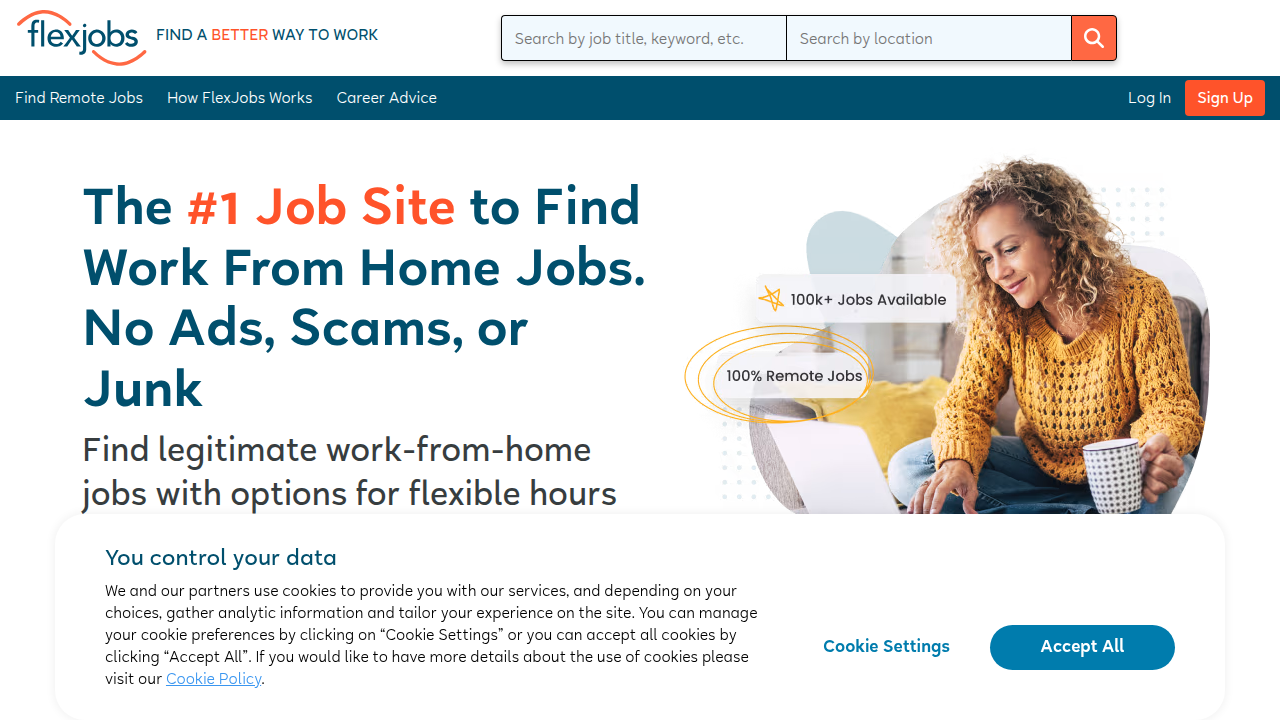

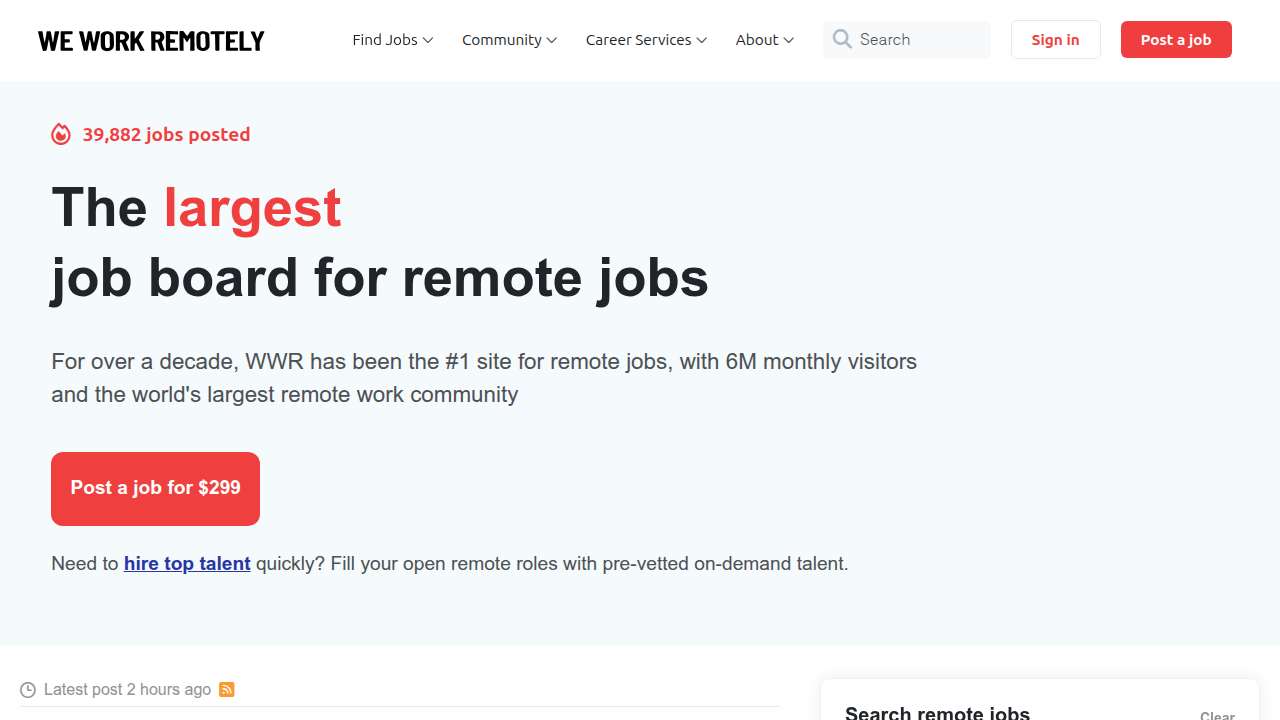
[^13]. Big general job sites like Indeed and LinkedIn Jobs also have many real remote jobs listed [^9]. When using sites like Indeed, you can check out our guide on how to find and land Indeed remote jobs for your 2026 strategy.
- Clear Company Information: A legitimate company will have a professional website. You should be able to find out about them, their mission, and who works there. Check their LinkedIn page too.
- Professional Communication: Real employers will communicate clearly and respectfully. They’ll use proper email addresses, not generic ones like
@gmail.com. - Detailed Job Requirements: The job posting should clearly say what skills and experience you need. It also tells you what you’ll be doing each day.
- Interview Process: Expect a proper interview process, usually involving video calls for remote roles. If they offer you a job without any interview, be very suspicious.
It’s super important to learn how to identify scams, especially if you’re looking for your first remote role. You can learn more helpful tips on how to find real online working from home jobs for students and avoid scams.
Staying Organized During Your Search
Finding hired remote jobs means applying to many places. To keep track and stay safe:
- Create a Spreadsheet: Use a simple sheet to write down every job you apply for. Include the job title, company name, date you applied, and the website where you found it.
- Save Job Descriptions: Before applying, save a copy of the job description. Sometimes postings disappear, and you’ll want to remember what you applied for.
- Check Email Addresses: Always look closely at the sender’s email address. Make sure it matches the company’s website.
- Google the Company: Do a quick online search for the company and read reviews. Look for any news about them. This helps you see if they are a real place to work.
By following these tips, you can feel much more confident in your search for legitimate hired remote jobs. The remote work world is full of great chances, and with a bit of careful checking, you can find the perfect one for you!
When looking for hired remote jobs, knowing how to spot real opportunities is just the first step. The next important step is to make sure you have the right skills employers are looking for in 2026. These skills often come in two main types: the ones you need for the job itself, and the ones that help you do well when working remotely.
What Skills Do Employers Want for Remote Jobs?
Think of it this way: to land great remote jobs, you need both specific job skills and also special skills for working from home.
Hard Skills: The Job-Specific Stuff
Hard skills are the special abilities you need for a certain kind of work. For example:
- If you want to be a writer, you need good writing skills.
- If you want to be a web designer, you need to know how to use design software and code.
- If you want to be an accountant, you need to understand numbers and accounting programs.
These skills change a lot depending on the remote job you’re going for. When you see remote jobs hiring, always check what specific skills they ask for in the job description.
Remote-Working Skills: How to Be a Great Remote Worker
Beyond the job’s main duties, there are important skills that help you succeed when you’re not in an office. These are often called "soft skills" or "remote-ready" skills.

Employers really look for these when filling hired remote jobs [^1]:
- Great Communication: This is super important when you’re not seeing people face-to-face. You need to be good at writing clear emails, messages, and talking well on video calls. You must be able to share ideas and give updates so everyone knows what’s happening.
- Working Well on Your Own (Time Management): When no one is watching over your shoulder, you need to manage your own time and tasks. Being organized and focused helps you get your work done without distractions [^2]. Many remote professionals say that time management is key for success [^1].
- Working Together, Even When Apart (Asynchronous Collaboration): Sometimes, your team members might be in different time zones. This means you need to be good at working together even if you’re not online at the exact same moment. Using tools to share updates and documents in a way that others can pick up later is a big plus.
- Understanding Technology (Digital Literacy): You don’t need to be a computer expert, but you do need to know how to use common remote work tools. This includes video call apps, project management software, and simple online programs. Being comfortable with digital tools is a must [^2].
- Staying Safe Online (Cybersecurity Awareness): With more people working from home, keeping information safe is a big deal. Knowing how to protect your computer and company data from online threats is a growing and important skill for 2026 [^1].
- Learning and Using New Tech (AI Fluency): New tools and ways of working, like using Artificial Intelligence (AI) to help with tasks, are becoming more common. Being open to learning and using these new technologies can give you an edge [^1].
How to Show Off Your Skills
When you apply for remote jobs, you need to show employers you have these skills.
- On Your Resume: List your hard skills clearly. For remote-working skills, think of examples. Instead of just saying "good communicator," you could say "Managed team projects using Slack and Zoom, ensuring clear communication across different time zones."
- In Your Interview: Be ready to tell stories about times you used these skills. For example, explain how you managed a big project on your own or solved a problem by communicating well with a teammate online.
- Through Learning: You can take online courses or get certificates to improve your skills. Many websites offer classes on project management, communication, or specific software programs. Showing you’ve learned new things tells employers you’re serious about your career and ready for the future of work.
Many online platforms and schools offer training that can help you build these skills. For example, there are many programs designed to help you land and thrive in work-from-home part-time jobs in 2026. By focusing on these important skills, you’ll greatly improve your chances of finding and getting great hired remote jobs this year.
Section 4 — Optimizing Your Resume and Profile for Hired Remote Jobs (ATS + Human Readers)
You now know what skills employers want for hired remote jobs in 2026. But how do you show them you have those skills? It all starts with your resume and online profiles. These are your first chance to make a good impression. You need to make sure they catch the eye of both computer programs and real people.
Getting Past the Computer (ATS Friendly)
Many companies use special computer programs called Applicant Tracking Systems, or ATS. Think of them like a very smart filter.

These programs scan resumes to find keywords and specific information before a human ever sees your application. If your resume doesn’t pass this first check, it might not even get looked at by a person.
To make your resume ATS friendly for remote jobs hiring:
- Use Clear Keywords: Look at the job description very carefully. What words do they use to describe the job and the skills needed? Use those exact words in your resume and cover letter. Don’t just list keywords, though. Weave them naturally into your bullet points and summaries.
- Simple is Best: ATS programs like clean, simple formats. Avoid fancy fonts, lots of graphics, or complex tables. A basic, easy-to-read layout works best.
- Standard Sections: Stick to common sections like "Experience," "Education," and "Skills." This helps the ATS find what it’s looking for.
While resumes are still important, some hiring experts say companies are starting to rely less on them alone and more on other ways to check skills later on [^1]. So, making it past this first step is key!
Showing Off Your Remote Experience to People
Once you get past the ATS, a human will read your resume. This is where you really need to shine and show you’re perfect for hired remote jobs.
- Highlight Remote Work: If you have worked remotely before, make it very clear. Say things like, "Managed projects for a distributed team across three time zones" or "Successfully completed tasks working from home, hitting all targets."
- Show Remote-Ready Skills: Remember those important remote-working skills we talked about earlier? Show how you’ve used them.
- Instead of "Good communicator," try: "Used Slack and Zoom daily to ensure clear team communication for X project."
- Instead of "Time management," say: "Independently managed a caseload of X clients, consistently meeting deadlines without direct supervision."
- Mention specific tools you’re good at using, like project management software (Asana, Trello) or video conferencing (Google Meet, Microsoft Teams).
- Focus on What You Achieved: Don’t just list what you did, tell them what good came out of it. Did you save money, make things faster, or help customers better? Numbers are great here. For example, "Increased customer satisfaction by 15% through online support initiatives."
Tailoring Your Application Smartly
Each remote job is a little different. Take the time to adjust your resume and cover letter for every job you apply to. You don’t need to rewrite everything, but tweak your summary and bullet points to match the specific job description. This shows you’re truly interested and understand what they need. It’s a bit like a remote job finder in reverse, making sure the job finds you.
Don’t forget your online profiles too, like LinkedIn. Make sure they tell the same story as your resume and highlight your remote experience and skills. You can learn more about how to prepare for and thrive in various remote roles by exploring resources like guides on how to land and thrive in work-from-home part-time jobs in 2026. By doing this, you’ll greatly boost your chances of getting those fantastic hired remote jobs this year.
You’ve already set up your resume and online profile to grab attention for those awesome hired remote jobs. Now, let’s talk about what happens after you hit "send" on that application. The hiring process for remote roles often has its own special steps and things to keep in mind.
The Hiring Steps for Remote Jobs
Finding a remote job often involves a few stages. Each stage is a chance for you to show your skills and how well you can work from home.
- Early Checks and Assessments: After your resume passes the computer scan, companies will look closer. In 2026, many remote jobs hiring processes start with quick skill tests or simple tasks [^1]. These checks might look at how well you write, solve problems, or use common computer tools. They help employers see if you have the basic skills needed for the job before moving forward. You can learn more about these steps and how to prepare in a general guide on how to land a remote job in 2026.
- Work Samples and Practice Tasks: For many hired remote jobs, especially those in creative or technical fields, companies want to see your work in action. This is where things like portfolios, case studies, or even short paid trials come in. Instead of just reading what you did, they want to see what you can do. A portfolio might show off your past designs, writing, or projects. A case study explains how you solved a real problem. A paid trial is like a small, paid project to see how you perform tasks and work independently. Many companies are now relying less on just resumes and more on these kinds of assessments to find the right people [^2]. These are great ways to prove your skills and show you can manage your work without constant supervision.
Nailing the Remote Interview
If you pass the earlier stages, you’ll likely get an interview. For remote jobs, these are almost always done through video calls.
- Be Ready for Video: Make sure your internet is strong, your background is tidy, and you’re in a quiet spot where you won’t be interrupted.
- Talk About Remote Skills: Be ready to share examples of how you manage your time, communicate clearly with teammates who are far away, and stay focused when working alone. Show them you understand what it takes to thrive in a remote setting. Companies use various online platforms for recruitment, including tools like LinkedIn Jobs and Greenhouse, which can host these video interviews
[^3].
Getting the Offer: What to Think About
If you get an offer for one of those amazing hired remote jobs, congratulations! But before you say yes, there are some unique things to consider for remote work.
- Time Zones: Think about your work hours. Will you need to match your team’s schedule, or can you work more flexibly? Make sure you know how your workday will overlap with others, especially if your team is in different parts of the world.
- Equipment: Who pays for your computer, monitor, internet service, or any special software you need? Some companies give you what you need, while others expect you to have your own setup. It’s perfectly fine to ask about this.
- Employee vs. Contractor: This is a big one. Will you be a regular employee or an independent contractor? Employees usually get benefits like health insurance, paid time off, and help with taxes. Contractors often have more freedom but are responsible for their own benefits and taxes. Make sure you understand the difference for your job.
Taking these extra steps and thinking about these unique points will really boost your chances of getting those fantastic hired remote jobs in 2026. If you’re looking for where to find these opportunities, many sites are dedicated to connecting people with remote jobs. You can find out more in our guide on how to find and land Indeed remote jobs: your 2026 strategy guide.
Section 6 — Building networks and finding mentors as a remote job seeker
You’ve worked hard to set up your profile and get through those early application steps. But for many hired remote jobs, landing the perfect role isn’t just about applying. It’s also about who you know and who knows you. Even though you’re looking for remote jobs, connecting with people is still super important.

It might feel different from in-person networking, but it’s just as helpful, maybe even more so in 2026. Building a good network can open doors to remote jobs hiring that you might not find on regular job boards.
Smart Ways to Network Online
Networking online for remote jobs means being smart about where and how you spend your time. Think of it as making friends in your work world.
- Targeted Outreach: Don’t just send out random messages. Find people who work in roles or companies you admire. Send them a short, polite message on LinkedIn, asking for a quick 15-minute chat about their experience. These "informational interviews" are great for learning and making connections. Having a deliberate plan for networking can really help you get seen by different companies and find hidden job markets [^1].
- Online Communities: Join groups related to your field on platforms like LinkedIn, Reddit, or Slack. Share helpful tips, ask questions, and be active. This shows you’re engaged and knowledgeable. You never know who might be looking for someone like you for remote jobs.
- Virtual Events: Look for online workshops, webinars, or conferences in your industry. Many have virtual "networking rooms" where you can meet others and practice talking about your skills and goals.
Finding a Mentor for Your Remote Journey
A mentor is someone more experienced who can guide you. Finding one for hired remote jobs can really speed up your search and growth.
- Why Mentors Matter: Mentors can help you improve your skills, expand your network even further, and prepare you for new career opportunities [^2]. They offer advice, help you solve problems, and even introduce you to other helpful people. Actually, research shows that employees with mentors are more than twice as likely to stay at their company for a long time [^3].
- Finding Virtual Mentors: In 2026, finding a mentor online is common and effective. Most employees find virtual mentoring just as helpful as in-person guidance when the right tools are used [^4]. Look within your online communities, professional groups, or even ask your current connections if they know anyone who’d be a good mentor. Don’t be afraid to ask!
Show Your Work and Team Up
To truly stand out and grow your network for remote jobs hiring, show what you can do.
- Portfolio Power: If you’re in a creative or technical field, make sure your online portfolio is easy to find and up-to-date. It’s proof of your skills and what you’ve done. This builds your credibility and can lead to new connections.
- Online Collaborations: Work on small projects with others online. This could be open-source projects, volunteer work, or even just helping someone out with a skill you have. These collaborations show you can work well remotely and expand your network with people who see your skills firsthand.
By building these connections and seeking guidance, you’re not just looking for remote jobs; you’re building a strong foundation for your entire remote career. If you’re wondering where to start applying, our guide on how to find and land Indeed remote jobs: your 2026 strategy guide can help you find best remote job sites and apply smart.
You’ve learned how to find and apply for jobs, and how to build connections. That’s a huge step toward landing those hired remote jobs. But what happens after you get one? Working from home can be wonderful, but it also has its own set of challenges. It’s super important to set up good habits early on so you can avoid feeling tired or stressed. This helps you do well for a long time in your new remote role.
Stopping Burnout and Setting Good Rules
One big challenge with remote jobs is that work and home life can easily mix together. This can make you feel like you’re always working, which leads to burnout. Burnout means feeling very tired and losing interest in your work.
Here are simple ways to keep work and home separate:
- Make a Clear Schedule: Decide when your workday starts and ends. Try to stick to it, just like you would with an office job. Take breaks too! Step away from your computer to stretch or grab a snack.
- Create Your Work Zone: Even if it’s just a corner of a room, have a special spot for work. This helps your brain know it’s "work time" when you’re there. When you leave that spot, your brain can switch to "home time."
- Have Start and End Routines: Do a little something each day to signal the start of work, like getting dressed or making coffee. Do something else to end the day, like closing your laptop and taking a short walk. These small habits can make a big difference.
What to Look for in a Good Remote Employer
When you’re looking at remote jobs hiring or thinking about a job offer, check to see if the company cares about your well-being.
- Good Onboarding: This means how they welcome and train new team members. A good remote company will have a clear plan to help you get started and feel like part of the team, even from far away.
- Flexible Work Styles: Some companies expect instant replies to every message. Others use "asynchronous" work, which means you can respond to messages and do tasks at your own best time, as long as it gets done. This flexibility can really help reduce stress.
- Mental Health Support: Ask about benefits that help with your mind and feelings. Does the company offer counseling services or special time off for mental health? A supportive company understands that remote work requires extra care for employees’ well-being.
Growing Your Career in a Remote World
Even if you’re not in an office, you can still move forward in your career. Many remote job finder resources help you see these paths.
- Keep Learning New Things: The world of remote work changes fast. Keep learning new skills, tools, and ways of doing things that are important for your job. Taking online courses or getting certifications can help you stay sharp.
- Plan for Promotions: Talk to your manager about what it takes to get promoted in a remote setting. What skills do you need to show? What projects should you take on? Having a clear path helps you aim for higher roles.
- Stay Connected: Remember all that networking we talked about in the last section? Keep doing it! Being part of professional groups and online communities helps you learn, grow, and find new chances for hired remote jobs. You might even discover a new path for yourself by learning about different roles, like how to land remote EKG technician jobs or remote IT support jobs.
By taking care of yourself and actively planning your future, you can build a truly successful and happy career in remote work for many years to come.
Summary
This article explains why hired remote jobs are a major part of work in 2026 and shows practical, step‑by‑step guidance for finding legitimate opportunities. It defines the main types of remote roles—fully remote, distributed teams, and hybrid—and outlines who is hiring and how hiring processes have changed. You’ll learn how to spot scams and recognize trustworthy listings, which remote skills matter most (both job‑specific and remote‑ready), and how to present those skills on an ATS‑friendly resume and online profile. The guide also walks through common hiring steps like assessments, work samples, video interviews, and key offer details such as equipment and employment status. It covers networking and mentoring tactics for remote seekers and gives simple habits to prevent burnout while planning career growth. After reading, you’ll know where to search, how to apply safely, and how to improve your chances of getting hired for real remote roles.
By
April 26, 2026