

Land Remote EKG Technician Jobs: Skills, Pay & How to Find Work From Home
Why EKG Technician Jobs Are a Viable Remote Career Path Today
In 2026, more and more people are looking for ways to work from home. This big change has even reached the healthcare world. You might think of EKG technician jobs as always being inside a hospital or clinic. Most times, an EKG tech does help doctors in person by setting up special tests to check a patient’s heart. But here’s an interesting part: some of the work, like watching heart rhythms from a distance or looking over test results, can actually be done from a different location. This means that remote ekg technician jobs are becoming a real possibility for some people.

However, finding a real remote EKG technician job can be tricky. The online world has lots of good things, but it also has scams. You have to be very careful to spot fake job postings or people pretending to hire for big healthcare companies [^1]. These kinds of scams often try to trick people looking for any kind of online work, including those searching for entry level jobs [^2]. It’s super important to know the red flags so you can stay safe while looking for your next role.
To land a good remote ekg technician job, or even related entry level hospital jobs like certain PCT jobs, you need to have the right skills. You also need a resume that clearly shows you are ready for the job. Learning how to put your best foot forward will help you stand out. If you’re hoping to find work-from-home jobs in general, it’s smart to learn how to search effectively and keep an eye out for real opportunities.
EKG Technician Job Overview: Roles, Settings, and Remote Variants
An EKG technician is a special helper in healthcare who focuses on the heart. EKG stands for electrocardiogram, which is a test that checks the electrical signals of your heart. Think of it like taking a picture of your heart’s rhythm. EKG technician jobs are very important because they help doctors find out if someone’s heart is working properly or if there are any problems.
What EKG Technicians Do
In a normal hospital or clinic, an EKG technician has several important tasks. They meet patients, explain what’s going to happen, and then get them ready for the EKG test. This usually means carefully placing small sticky pads, called electrodes, on the patient’s chest, arms, and legs. These pads connect to a machine that records the heart’s electrical activity. The tech makes sure the machine works right and that the test results are clear. They might also print out the results for the doctor to read. These are often considered great entry level hospital jobs for those starting in healthcare.
Sometimes, EKG technicians also do other heart tests, like Holter monitoring or stress tests. Holter monitoring involves attaching a portable EKG device to a patient who wears it for a day or two to record their heart’s activity over a longer time. Stress tests involve monitoring the heart while a patient exercises.
How Remote EKG Technician Jobs Work
Now, here’s where things get interesting for remote work. While placing electrodes and helping with in-person stress tests can’t be done from home, many other parts of EKG technician jobs can be.

These are called remote variants. For example, with Holter monitoring, a patient might wear a device at home that sends its data to a clinic or company.
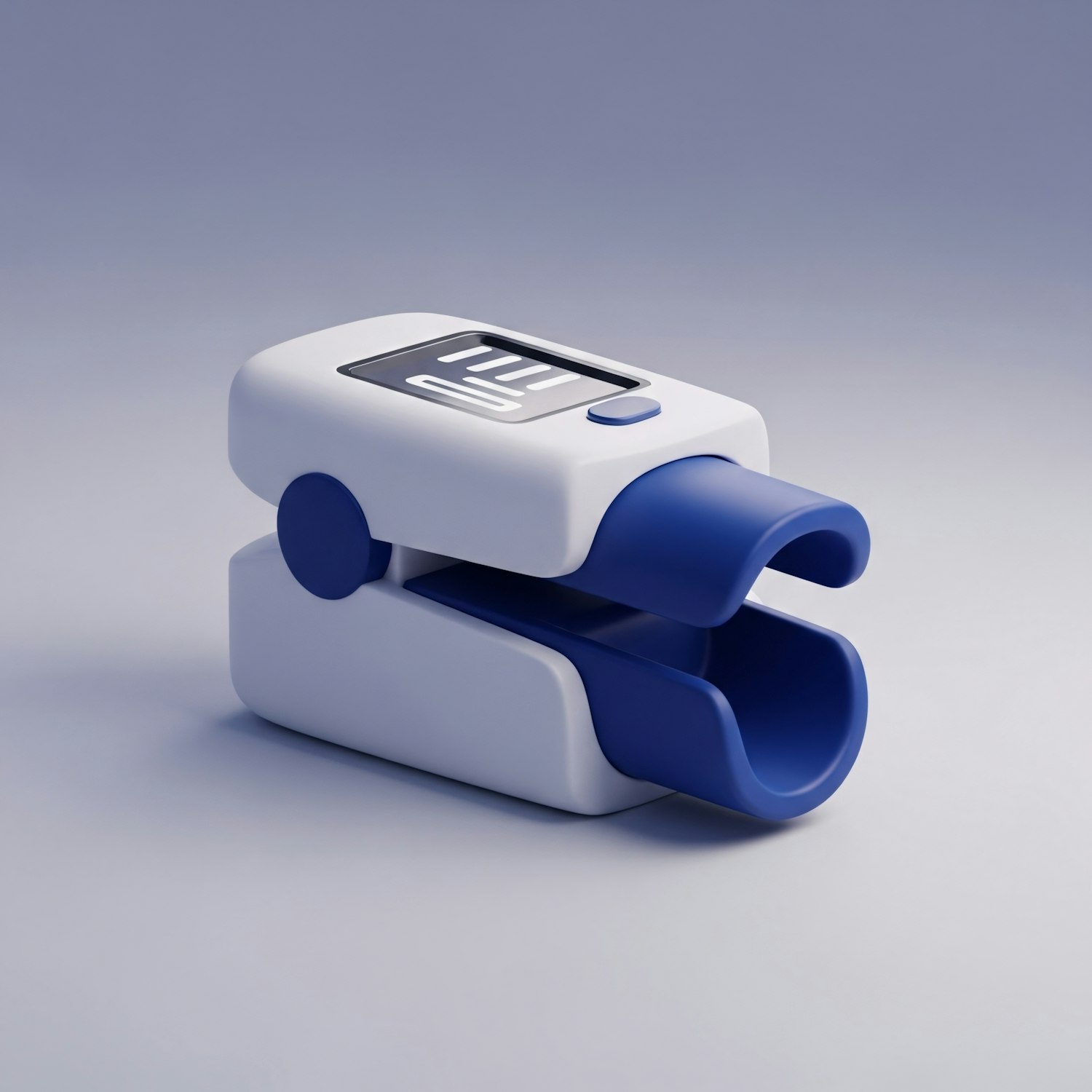
A remote EKG technician then looks at these recorded heart rhythms from their computer. They check for anything unusual and write reports for the doctors. This type of work is often called telemetry monitoring or cardiac rhythm analysis.
Remote EKG technician positions, sometimes called EKG specialist jobs, let you use your skills without needing to be in the same room as the patient. Many companies are hiring for these flexible, work-from-home opportunities in 2026, with some job boards listing many openings [^1]. You can even find contract work from home ekg jobs if you prefer that kind of setup [^2].
Who Hires Remote EKG Technicians?
You might wonder what kind of places offer these remote ekg technician jobs. It’s not just hospitals anymore. More and more telehealth companies are looking for people to help watch patients’ hearts from a distance. These companies specialize in giving healthcare services over the phone or internet. Also, home monitoring services that provide wearable heart devices for patients often need remote technicians to review the data. Remote cardiac diagnostic firms, which focus on understanding heart conditions from tests, are another big employer.
The demand for EKG technicians is expected to grow. In fact, ekg technician jobs are projected to see a 10% increase between 2018 and 2028 [^3]. This shows that healthcare needs more of these skilled workers. While only a small part of these jobs are fully remote right now, the number is growing as technology gets better [^4]. If you are looking for entry level jobs in the healthcare field that offer remote possibilities, exploring EKG technician roles can be a smart move. For example, if you live in Texas, you can find remote ekg jobs in Houston, TX [^5].
Learning more about these roles can open doors to exciting new career paths.
Where Remote EKG Technician Jobs Exist: Common Employers & Job Types
We’ve talked about how EKG technicians help with heart tests. Now, let’s look closer at where you can find these remote EKG technician jobs and what types of work you might do from home. It’s a growing area in healthcare, especially in 2026, as more services move online.
Different Kinds of Remote EKG Work
Not all remote EKG jobs are exactly the same. Here are the main types you’ll see:
-
Remote Monitoring: This is a big one. Companies hire EKG technicians to watch heart rhythm data that patients record at home. Think about people wearing small devices, like Holter monitors, for a day or two. The data from these devices is sent to a central place, and you, as a remote EKG technician, review it on your computer. You look for any unusual heartbeats and help write reports for doctors to read. This is also known as cardiac rhythm analysis or telemetry monitoring. Many remote EKG monitor jobs are available, with hundreds listed on job boards [^10].
-
Telehealth Support: Telehealth companies offer healthcare services over the phone or internet. Remote EKG technicians can support these services by reviewing test results from patients before they talk to a doctor. This might involve looking at a patient’s EKG data as part of an initial check-up or to help decide if they need more immediate care. These roles are important for smooth patient care in a digital world.
-
Contract or Part-Time Waveform Review: Many places need help looking at EKG readings but not for a full-time employee. So, they hire EKG technicians for contract work from home EKG jobs. This means you might work for different companies or clinics on a project-by-project basis, reviewing ECG waveforms. This offers a lot of flexibility, which is great if you’re looking for part-time work or balancing other commitments [^6]. You can find flexible remote EKG jobs that pay well, sometimes even by the hour [^13].
-
Administrative EKG Processing: While less common, some remote roles involve helping with the paperwork and processing side of EKG tests. This could mean organizing patient records, making sure test results are filed correctly, or handling other office tasks related to EKG services, all from your home computer.
Who Hires Remote EKG Technicians?
You might wonder which companies are looking for people to fill these remote EKG technician jobs.
- Telehealth Providers: These companies are all about giving medical care remotely. They often need EKG technicians to review heart data from their patients [^18].
- Remote Patient Monitoring Companies: These businesses focus on devices that track patients’ health from a distance. If a patient wears a heart monitor at home, these companies need technicians to review that important data.
- Cardiac Diagnostic Firms: These places specialize in understanding heart conditions. They get lots of EKG data and need skilled technicians to help doctors make sense of it.
Where Can You Find These Jobs?
Remote EKG technician jobs are available across many countries. In 2026, you’ll find openings in places like the United States, the UK, Canada, Australia, and New Zealand. The United States, in particular, has a strong demand. For example, you can find many remote EKG jobs in Houston, TX [^2], or other areas like Casselberry, FL [^20]. These opportunities are great for those looking for entry level jobs in healthcare who want the flexibility of working from home.
If you are just starting out and looking for a healthcare role, exploring remote EKG technician jobs can be a smart move, especially if you’re looking for entry level hospital jobs or other flexible healthcare roles. Finding the right remote job requires knowing where to look and understanding the types of roles available. To help with your job search, you might want to learn more about finding work from home jobs in your area, like those in Houston, Texas.
Certifications, Training & Education Pathways for Remote EKG Technicians
If you’re thinking about getting one of those great remote ekg technician jobs, you’ll want to know what kind of training and papers you need. It’s like learning to ride a bike; you need to know the basics before you can go on a long trip. In 2026, most employers expect you to have specific skills and proof that you know your stuff.
Getting Started: Your Basic Training
First things first, you’ll generally need a high school diploma or its equivalent to start your journey [^3]. After that, you’ll move on to special training.
Many places offer EKG technician programs. These programs teach you how to do electrocardiograms (EKGs), how to watch heart monitors, and how to help with stress tests [^7]. They often take a short time to complete, usually just 3 to 6 months [^3]. These programs give you the practical skills needed for entry-level EKG technician positions [^1].
You can find these training programs at community colleges, technical schools, or even through online courses. For example, California State University, East Bay, offers a certificate program that prepares you for these roles [^1].
Why Certification Matters
Once you finish your training, the next big step is usually getting certified.

What does that mean? It means you take a special test to show you really know how to do the job well. This is super important for finding ekg technician jobs.
There are national certification exams for EKG technicians. For instance, the AMCA offers an EKG Technician Certification (ETC) exam, which has 100 questions and takes about 2 hours

[^8]. Passing this exam tells future employers that you have the skills they need. Many training programs, like those mentioned by Nurse.org, help prepare you for these important tests
[^9]. Getting certified often makes it easier to get your first of many entry-level jobs in healthcare.
You can even find helpful videos online, like "EKG Test Training Tips 2026 EKG Technician Certificate Exam," to help you study for these tests [^youtube].
Online and Remote Training Options
A great thing about becoming an EKG technician in 2026 is how many online training choices there are. You don’t always have to go to a classroom. Many programs are set up so you can learn from home, which is perfect if you’re aiming for remote ekg technician jobs.
These online programs can be really flexible. Some offer many hours of online lessons, maybe with a few days of live teaching online and some self-paced homework [^6]. Others might take as little as 4 weeks of learning at your own speed [^5]. This flexibility makes it easier for people with busy lives, or even those looking for jobs for teens, to get the training they need.
What Employers Look For Beyond the Basics
After you have your training and certification, employers hiring for remote ekg technician jobs will also look for a few other things:
- Continuing Education: Healthcare changes, so staying updated with new knowledge is always a plus.
- Telehealth-Specific Training: Since you’ll be working remotely, knowing how to handle patient data and communication online is key.
- Verification of Competencies: Employers want to be sure you can actually perform the tasks accurately and reliably, especially when reviewing heart data from afar. They want to know you can spot what’s normal and what’s not.
These skills and certifications can open doors to many different healthcare roles, including entry level hospital jobs. Once you’re trained and certified, knowing how to look for the right remote opportunities becomes the next step. If you’re ready to start your job search, you can learn more about how to find work from home jobs in your area, like those in Houston, Texas.
Essential Skills, Tools & How to Optimize Your Resume for Remote EKG Roles
Now that you know about the training and certifications you need, let’s talk about the important skills and tools that will help you shine in remote ekg technician jobs. It’s like having the right tools for a craft project; they make the work much easier and better. Plus, we’ll cover how to make your resume stand out to grab those great work-from-home chances.
Key Skills for Remote EKG Technicians
When you work with heart data from home, you need a mix of technical know-how and people skills.
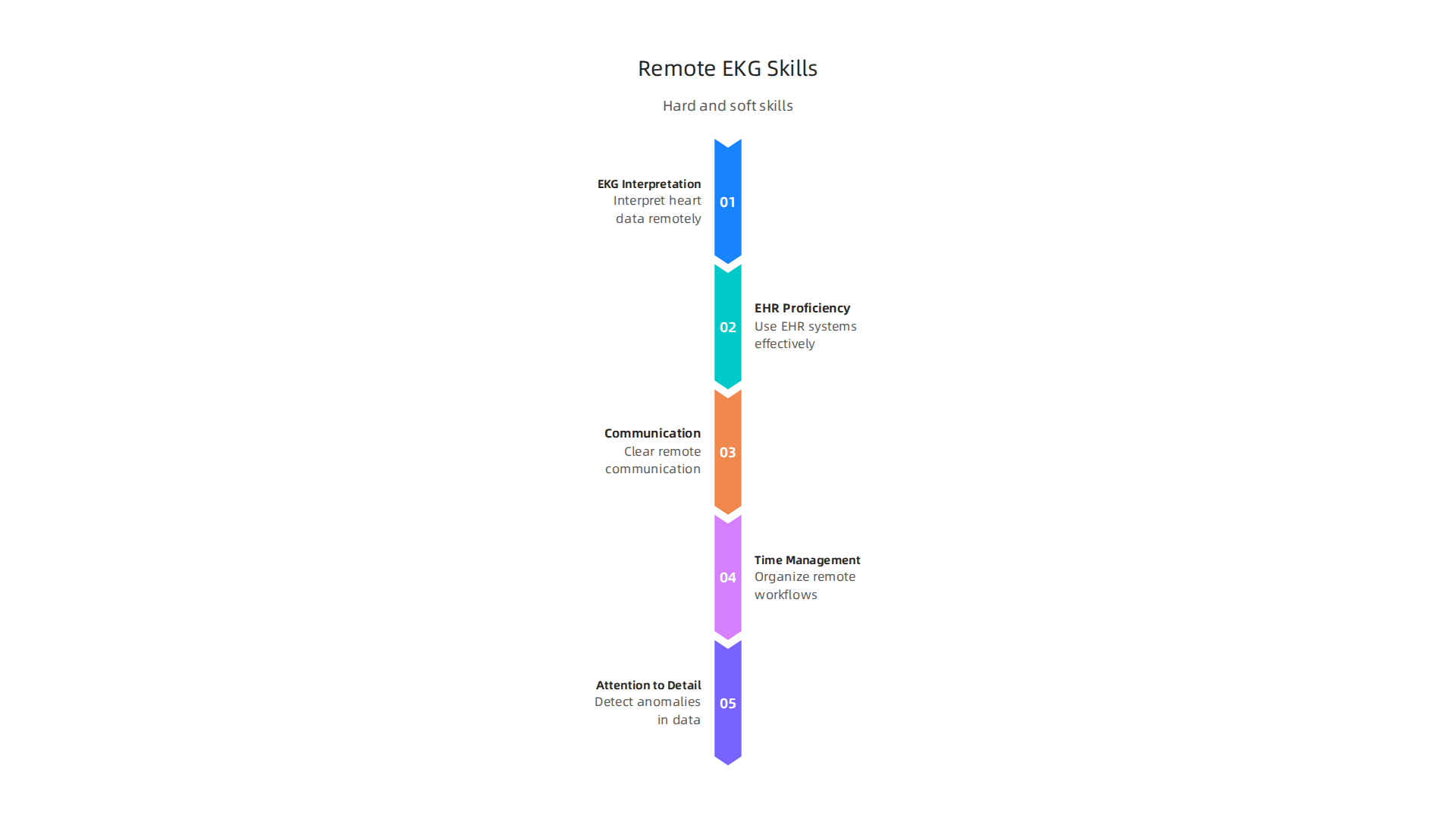
Hard Skills (Things you learn and practice)
- Understanding EKG Readings: This is your main job. You need to know how to read and understand the squiggly lines on an EKG.

This includes spotting normal heart rhythms and knowing when something looks unusual. You learn these practical skills in your EKG technician programs [^1].
- Using Electronic Health Records (EHR) Systems: You’ll be working with patient information online, so it’s super important to know how to use these digital record systems. In 2026, many healthcare places use modern EHR systems to keep patient data safe and organized [^10]. Knowing common systems like Epic or Oracle Cerner can give you a big boost [^12].
- Working with Remote Monitoring Tools: Remote EKG roles often mean you’re reviewing data sent from devices at a patient’s home. You’ll need to be comfortable using special software and tools that help you see and understand this information from afar [^11].
Soft Skills (How you work and interact)
- Good Communication: Even though you’re remote, you’ll still talk to doctors, nurses, and sometimes patients. Being able to explain things clearly and listen well is a must.
- Time Management: Working from home means you need to be good at planning your day and staying on task. No one is looking over your shoulder, so you manage your own time well.
- Paying Close Attention: When dealing with heart health, every little detail matters. Being very careful and accurate when reviewing EKG data is super important.
Tools for Your Remote Workstation
To do your job well from home, you’ll also need some basic tools:
- Reliable Computer and Internet: A fast computer and stable internet connection are essential for remote work.
- Secure Software: You’ll likely use secure healthcare software for patient records and EKG analysis. Employers will provide access to these, but knowing how to use different programs helps.
Making Your Resume Stand Out for Remote EKG Jobs
Your resume is your ticket to getting noticed for ekg technician jobs. For remote roles, you need to tailor it just right.
- Use Keywords: Look at the job description for "ekg technician jobs" you want. If they say "remote EKG interpretation" or "telehealth monitoring," make sure those words are on your resume. This helps your resume get past computer screening tools, called Applicant Tracking Systems (ATS). Use terms like "entry level jobs" or "entry level hospital jobs" if you’re just starting out.
- Highlight Remote Experience: If you’ve ever worked remotely before, even for another type of job, mention it! Talk about how you used online tools or managed your time independently.
- Showcase Your Skills: List all your hard and soft skills clearly. For example, "Proficient in EHR systems" or "Excellent verbal and written communication."
- Mention Your Certifications: Always list your EKG Technician Certification (ETC) right at the top. This is proof you know your stuff.
By focusing on these skills and tools, and by making your resume keyword-rich and clear, you’ll be much closer to landing those remote ekg technician jobs. If you’re looking for more general tips on finding work from home roles, you can explore guides on how to land remote CPS jobs in 2026.
Where and How to Find Legitimate Remote EKG Technician Jobs
So, your resume is ready and shining. Now, let’s talk about the big question: where do you find those great remote ekg technician jobs? It’s like looking for a hidden treasure, but with the right map, you can find it. We’ll show you where to look and how to make sure the jobs are real.
Your Job Search Map: Where to Look
Finding remote EKG roles means knowing the best spots to search online. Here are some places to start your hunt in 2026:
- Big Job Websites: These are like large marketplaces for jobs.
- ZipRecruiter: You can find many openings here.

For example, there are often over 60 remote EKG technician jobs listed, with good pay ranges, and you can apply quickly. You might even find "virtual EKG technician jobs" or "flexible remote EKG monitor tech jobs" which are similar roles [^1], [^6], [^7].
* Indeed: This is another popular site where you can browse lots of remote EKG monitor jobs and "ecg analysis work from home jobs."
They list hundreds of remote EKG job openings at any time [^3], [^10].
* SimplyHired: This site also shows many remote EKG monitor jobs available, sometimes hundreds [^5].
* Zippia: Offers remote monitor technician jobs with salary estimates and company ratings [^9].
- Company Career Pages: Some healthcare companies, especially those focused on telehealth or remote patient monitoring, hire directly through their own websites. Look for names like those found in lists of best remote patient monitoring companies [^12].
- Staffing Agencies: These companies help businesses find workers. Some specialize in healthcare and remote roles. They can be a good way to find "entry level hospital jobs" or specific remote EKG technician jobs that aren’t advertised everywhere.
- Niche Telehealth Platforms: As remote healthcare grows, more companies focus only on providing care from a distance. These places often need remote EKG technicians. Companies in remote patient monitoring are growing, and many need EKG support [^12].
How to Spot a Real Job (and Avoid Fake Ones)
It’s exciting to find many remote ekg technician jobs, but you need to be careful. Sadly, some fake jobs are out there, trying to trick people.

Here’s how to check if a job posting is real [^18], [^19]:
- They ask for money: A real job will never ask you to pay money to get hired or for equipment.
- Offers too good to be true: If the pay seems super high for an "entry level job" with little work, it might be a scam.
- Vague job descriptions: If the job details are unclear or don’t make sense, be careful. Real jobs explain exactly what you’ll do.
- Emails from free accounts: Legitimate companies use official email addresses (like
name@company.com), not free ones (likegmail.com). - Pressure to act fast: Scammers often try to rush you into making decisions. Take your time to check things out.
- No interview, just an offer: Most real jobs will have at least one interview, even for remote positions.
Always do a quick search online for the company name and the job title to see what others say. You can often find reviews or news about them.
Finding remote ekg technician jobs takes a bit of looking, but by using the right websites and knowing what to watch out for, you can find a great opportunity. If you’re also exploring other remote roles, it can be helpful to look at broader guides, such as how to land remote CPS jobs in 2026.
Now that you know where to find real remote EKG technician jobs, the next big step is getting ready for your interviews. Remote interviews are a little different from talking to someone in person, but with the right preparation, you’ll do great.
Getting Ready to Apply
First, make sure your resume and cover letter are perfect for remote EKG technician jobs. It’s smart to show how good you are with computers and how well you can talk to people, because these skills are super important when working from home. Even if you’re looking for "entry level jobs" or "entry level hospital jobs," highlighting any computer skills or times you’ve helped people will make your application stronger.
Your Remote Interview Plan
Interviews for remote EKG technician jobs in 2026 will usually happen online, using video calls.

Here’s what you can do to be ready:
- Check Your Tech: Before the interview, make sure your internet works well, and your camera and microphone are ready. Find a quiet spot where you won’t be bothered.
- Show What You Know: Sometimes, they might ask you to show how you would do a task. For an EKG role, this could mean talking about how you’d get ready for a patient’s virtual appointment or how you would explain a simple EKG reading. They want to see that you can do the work even when you’re not in the same room.
- Answer "What If" Questions: You might hear questions like, "What would you do if a patient had a question you couldn’t answer?" or "How would you fix a computer problem while working from home?" These questions help them see how you solve problems by yourself.
- Understand Remote Healthcare: Show that you know how healthcare works when everyone is in different places. Talk about why keeping patient information private is so important and how you would make sure it stays safe. This knowledge is key for any remote medical role, even for "entry level jobs" like remote EKG technician positions.
- Be Ready to Talk About Pay: When they talk about how much the job pays, remember that remote EKG technician jobs can offer good salaries. For instance, some remote EKG roles listed on ZipRecruiter can pay between $17 to $34 an hour, and some even go up to $88,000 a year [^1], [^2]. Be ready to share what you expect to earn and ask about benefits like whether they provide equipment or help with internet costs.
After the Interview: Follow Up
After your interview for those remote EKG technician jobs, always send a thank-you note. A quick email saying thank you and that you’re still very interested can make a good impression. It shows you’re thoughtful and serious about getting the job.
This step-by-step approach will help you feel ready and confident as you apply and interview for exciting remote EKG technician positions. You can also explore general tips for finding other types of remote work by checking out guides like how to land remote CPS jobs in 2026.
After you’ve aced those interviews, it’s natural to wonder about your future as a remote EKG technician. What about the money, and where can your career go next?
How Much Can You Earn as a Remote EKG Technician?
When you work as a remote EKG technician in 2026, the pay can be really good. Many of these jobs offer between $17 to $34 an hour [^1]. If you look at yearly pay, some remote EKG roles can bring in anywhere from $39,000 to $88,000 [^2]. On average, a remote EKG technician in the United States earns about $43,966 each year [^3].
But here’s the thing: how much you make can change.
- Your experience: If you’re just starting with entry-level jobs, you might make a little less than someone who has been doing EKG technician jobs for a long time.
- Where you live: Pay can be different depending on the state or city, even for remote roles. For example, an EKG technician in California might earn around $30.38 per hour [^8].
- Full-time vs. contract: Some remote jobs are full-time with benefits, while others are contract work, which can sometimes pay more per hour but might not include benefits [^6], [^11]. You can even find many contract work-from-home EKG jobs [^12].
Also, if you become an EKG Technologist, which is a step up, the average hourly pay in the US is around $35.24 [^4].
Growing Your Career as a Remote EKG Technician
The good news is that EKG technician jobs are in demand. Experts say that demand is expected to grow, which means more opportunities for you [^10]. Starting as a remote EKG technician is a great entry point into healthcare, even for those looking for entry-level hospital jobs or jobs for teens interested in medical fields.
You can grow your career in a few ways:
- Advanced Roles: You could become an advanced cardiac technologist or a remote monitoring specialist. These roles often involve more complex tasks and a deeper understanding of heart conditions. Cardiac medical technologists, for example, are in high demand [^9].
- Telehealth Coordination: As more healthcare moves online, roles in telehealth coordination are growing. You could help manage virtual patient visits or specialized remote heart care programs.
- Upskilling: To move up, you’ll want to learn new skills. This might mean getting more certifications in different kinds of heart tests or learning how to use new medical software. Some telemetry technician roles also offer growth [^13]. Staying updated on new technology and medical practices is key.
Transitioning from an in-person EKG role to a remote one often means showing off your tech skills and your ability to work well on your own. By improving these areas, you can open doors to exciting career paths in remote healthcare. If you’re interested in exploring other remote work opportunities, a helpful guide can be found on finding work-from-home jobs in Houston, Texas, which covers general insights into remote job searching.
Summary
This article explains why EKG technician work is becoming a viable remote career in 2026, showing which tasks can be done from home and which still require in-person care. It covers the main remote job types—remote monitoring, telehealth support, contract waveform review, and administrative processing—alongside typical employers such as telehealth firms and cardiac diagnostic companies. You’ll learn the common training paths (high school diploma, 3–6 month programs, national certification), the technical and soft skills employers want, and how to build a resume that passes applicant tracking systems. The guide also walks you through where to search for real openings, how to spot recruitment scams, interview preparation for virtual hiring, typical pay ranges, and ways to advance your career into higher-paying remote cardiac roles. By the end, readers will know how to prepare, find, and safely apply for remote EKG technician jobs.
By
April 19, 2026