

How to Land Remote CPS Jobs in 2026: A Step-by-Step Guide
Navigating the Remote Customer Service Job Landscape
Looking for a remote customer service job in 2026 can feel like trying to find a needle in a haystack. You see ads for Walmart jobs, Target jobs, and posts for jobs immediately hiring everywhere. You search "cps jobs" or scroll through pages on Indeed, but it’s hard to tell what’s real. The opportunity is huge, but the path isn’t always clear.
Here’s the thing. Remote customer service, often called CPS (Customer Professional Services), is one of the biggest doors into working from home. Companies need people to help their customers more than ever. A recent report from the National Bureau of Economic Research shows that from 2019 to 2025, the share of job postings offering remote work rose more than three times. And a separate study on the future jobs market forecasts that finding the right talent is a top challenge for businesses heading into 2026.
Yet, for you, the job seeker, this growing field comes with big headaches.
- Too Much Noise: A simple search floods you with thousands of results. It’s overwhelming.
- Scam Risk: Mixed in with legitimate offers are fake listings designed to steal your information or money.
- Unclear Requirements: You might not be sure what skills you really need or how to prove you can work remotely successfully.
This is where the frustration sets in. You know the jobs are out there. Big companies and small startups are hiring. But the process of finding a genuine opportunity, tailoring your application, and getting hired feels confusing and risky.
You don’t need more job listings. You need a trusted map.
This guide cuts through the clutter. We provide a clear, step-by-step framework used to identify real remote CPS jobs, qualify for them, and secure the position. We’ll show you how to smartly search platforms like Indeed, understand what employers truly want in 2026, and present yourself as the perfect remote hire.
Whether you’re looking for your first remote role or your next one, let’s start building your path. Ready to move from searching to securing? Begin by exploring our dedicated guide on finding legitimate work-from-home jobs in your area to understand local opportunities.
What Are CPS Jobs? Defining the Remote Customer Service Landscape
So, what does CPS mean? In the world of remote work, "CPS" most commonly stands for Customer Professional Services or Customer Support Specialist. It’s the broad category of jobs where you help customers solve problems, answer questions, and get the most from a company’s products or services, all from your home office.
You’ll see these roles listed under many titles on sites like Indeed when searching for "jobs immediately hiring."
- Customer Service Representative (CSR)
- Client Support Specialist
- Technical Support Agent
- Customer Care Advocate
- Virtual Support Agent
These roles are the backbone of companies in every industry, from major retailers like Walmart and Target to tech startups, healthcare providers, and financial services. The demand is exploding. A major economic report notes that a key challenge for businesses in 2026 will be finding the right talent to fill these roles, as the digital economy grows. The shift to remote work has supercharged this field, with studies showing the share of job postings offering remote options has risen more than three-fold in recent years.
Where Can a CPS Career Take You?
This isn’t just a single job. It’s a career path with clear steps forward.
- Entry-Level (0-2 years): You start as a Customer Service Representative, handling basic inquiries via phone, email, or chat. These are often the positions advertised as jobs immediately hiring.
- Mid-Level (2-5 years): With experience, you can specialize. You might become a Technical Support Expert, a Billing Specialist, or a Tier-2 Support Agent handling more complex cases.
- Senior/Leadership (5+ years): The path leads to roles like Team Lead, Support Supervisor, or Customer Success Manager, where you guide teams and strategy. Some professionals move into training, quality assurance, or operations management.
Your earning potential grows with each step. While entry-level remote CPS jobs may start with an hourly wage or modest salary, senior individual contributors and managers can earn significantly more, especially in specialized tech or finance industries. Contract and full-time opportunities are both strong in 2026, according to recent market trends reports.
The Evolving Landscape in 2026
Today’s remote CPS role is dynamic. It’s not just about answering phones. AI-powered tools are now common assistants, helping agents find information faster and personalize service. This means the most valuable professionals are those who combine classic empathy and problem-solving with comfort using new technology. In fact, research shows the number of jobs requiring AI skills has grown dramatically, and customer service is at the forefront.
This evolution creates opportunity. By mastering both human-centered communication and the digital tools of 2026, you build a future-proof career. Ready to see what this looks like in another high-demand remote field? Explore our guide to finding and landing remote IT support jobs on Indeed, which follows a similar search and application path.
Identifying Legitimate Remote CPS Job Platforms and Employers
Now that you know what CPS jobs are, the next step is finding the real ones. This is where many job seekers hit a wall. The internet is full of amazing opportunities, but it’s also filled with traps. Knowing how to spot the difference is your most important skill.
Scammers know people are eager for remote work. In fact, reports of job scams to the Federal Trade Commission (FTC) have tripled from 2020 to 2024. Just in the first quarter of 2026, the FTC got about 31,000 reports about job scams. So, how do you stay safe?
Red Flags: How to Spot a CPS Job Scam
A legitimate company will never make you pay to work for them. If a job posting asks for any of the following, consider it a major warning sign and walk away.
- They ask for money upfront. A real employer will never ask you to pay for training, software, a "starter kit," or background checks before you’re officially hired.
- The offer seems too good to be true. Be wary of postings promising huge earnings for simple, no-experience work. If it sounds like easy money, it usually is.
- Communication is unprofessional. Scammers often contact you through text or messaging apps like Telegram or WhatsApp using poor grammar. A real hiring process uses email and professional platforms.
- The interview process is vague or instant. If you get a "you’re hired!" email immediately after applying, or the "interview" is just a text chat, it’s likely a scam.
- You’re asked for personal financial info. Never give out your bank account, Social Security number, or credit card details during the initial application phase.
The FTC provides excellent, up-to-date advice on how to avoid job scams. If you ever encounter a scam, you should report it to the FTC to help protect others.
Your Go-To List of Trusted Job Platforms
So where should you look? Focus your energy on reputable sites known for vetting their listings or on the official career pages of major companies. Here is a curated list for 2026:
1. Major General Job Boards (Use the "Remote" Filter)
- Indeed: Still a powerhouse. Use keywords like "remote customer service representative" or "work from home support." Be sure to use the location filter set to "Remote."

- LinkedIn Jobs: Excellent for finding roles at professional companies and for networking. Turn on the "Remote" filter under "Job type."
- Glassdoor: Great for researching company culture and salaries in addition to finding job listings.
2. Company Career Pages (The Direct Route)
Going straight to the source is often the best strategy. Large retailers and corporations hire thousands of remote CPS agents. Bookmark these:
- Walmart Careers: Look for "Remote" or "Virtual" positions under Customer Service or Support.
- Target Careers: Search for "Work from Home" or "Remote" opportunities.
- Major Tech, Insurance, and Healthcare Companies: Companies like Amazon, UnitedHealth Group, and Progressive have massive remote support teams. Always navigate directly to their official "Careers" page.
3. Specialized Remote Job Boards
These sites often pre-screen listings, which adds a layer of safety.
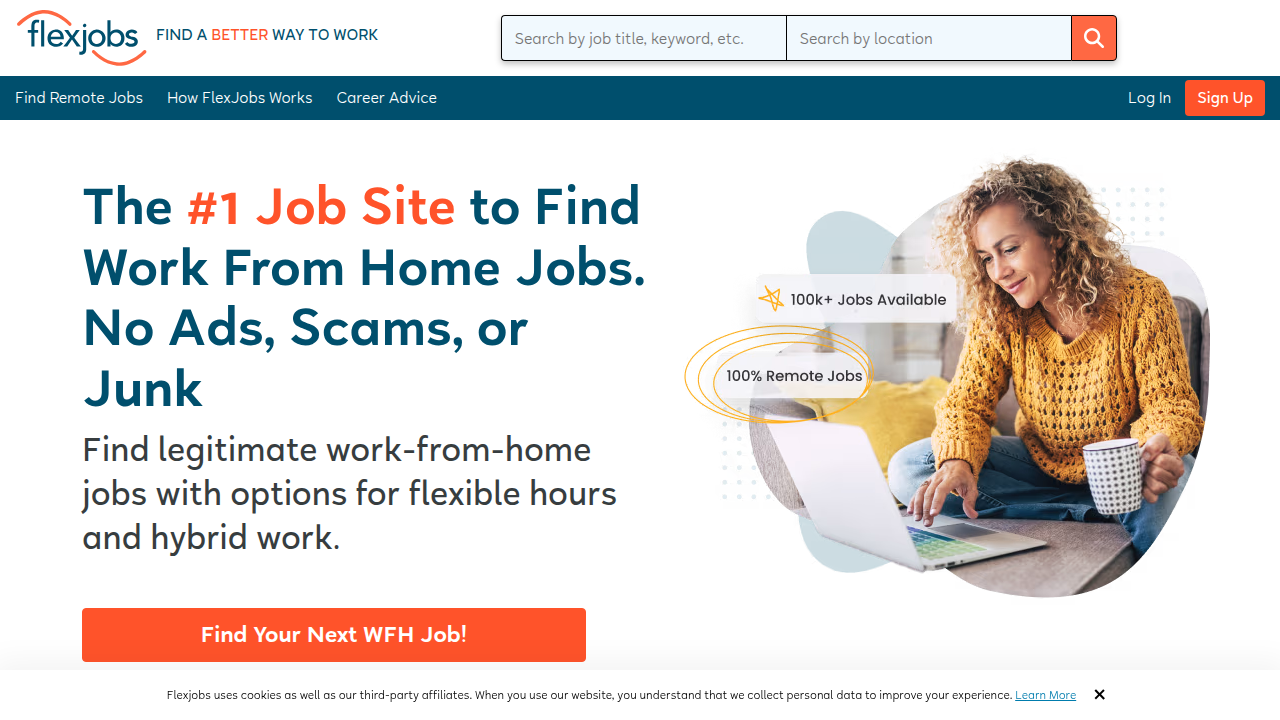
- FlexJobs: A paid service that hand-screens every job posting to ensure it’s legitimate.
- Remote.co: Focuses exclusively on remote opportunities from vetted companies.
- We Work Remotely: A popular board for tech and customer support roles.
How to Research a Company’s Legitimacy
Before you hit "apply," do a quick five-minute check. This can save you hours of wasted effort.

- Check their official website. Does the company have a professional, functioning website? Does the "Careers" page look legitimate and match the job listing’s details?
- Search for reviews. Look the company up on Glassdoor and LinkedIn. What do current and former employees say about the culture and pay?
- Verify the contact. Is the hiring manager’s email address from the company’s domain (e.g., @companyname.com) or a generic Gmail/Yahoo account?
- Look for a digital footprint. Do they have a LinkedIn company page with real employees? Are they active on social media?
Finding a legitimate remote CPS job is about being a smart detective. By knowing the red flags and focusing your search on trusted platforms, you can confidently apply for jobs immediately hiring without fear. The opportunities with major employers like Walmart and Target are real—you just need to know where and how to look.
If you’re feeling overwhelmed by the search process, you’re not alone. We break down the exact steps for navigating big job boards in our 2026 step-by-step guide to finding remote IT support jobs on Indeed. The strategies for filtering and applying are very similar for CPS jobs and can help you get results faster.
Essential Skills and Tools for Thriving in a Remote CPS Role
You’ve found a legitimate listing for CPS jobs on a trusted site. Great. Now, the question shifts from "Where?" to "Am I ready?" Landing a remote customer service job is one thing. Excelling at it and building a lasting career is another.
In 2026, employers don’t just want someone who can answer a phone. They need adaptable, tech-savvy problem solvers who can manage themselves from home. The right mix of people skills, technical know-how, and remote work habits will make you stand out in a crowded field of applicants for jobs immediately hiring.
Let’s break down what you really need to succeed.

The Core Soft Skills: Your People Toolkit
These are the timeless skills that no chatbot can fully replace. They’re about connecting with another human being, even through a screen.
- Written Communication: This is your primary voice. Since most remote support happens via chat, email, or text, your ability to write clearly, kindly, and correctly is non-negotiable. Think short, helpful sentences and perfect spelling.
- Empathy & Active Listening: Customers contact you because they have a problem. Your job is to first understand their frustration, not just their request. As noted in a 2026 skills guide, empathy is the foundation for turning a negative experience into a positive one. It’s about saying, "I understand why that’s frustrating," and meaning it.
- Problem-Solving: You won’t have a script for everything. You need to think logically, use available resources, and sometimes get creative to find a solution. It’s about owning the issue until it’s resolved.
- Patience and Resilience: You will deal with difficult situations. The ability to stay calm, not take things personally, and bounce back for the next interaction is a superpower. Experts list stress tolerance as a top customer service skill for 2026.
The Technical Proficiencies: Your Digital Toolbox
These are the hard skills you’ll list on your resume. Being comfortable here shows you can handle the job’s systems.
- CRM & Ticketing Software: This is the dashboard of your job. Platforms like Zendesk, Salesforce Service Cloud, or Freshdesk are used to track every customer interaction. Familiarity with how to log a ticket, update a status, and search a knowledge base is key. A recent analysis of customer service hard skills highlights proficiency with these systems as fundamental.
- Collaboration Tools: You’re part of a remote team. You’ll need to use apps like Slack for quick questions, Microsoft Teams or Zoom for meetings, and Google Workspace or SharePoint for shared documents.
- Basic Troubleshooting: You don’t need to be an IT expert, but you should be able to guide a customer through simple steps like clearing a browser cache, restarting an app, or checking their connection. This saves time and shows competence.
The Remote-Specific Competencies: Your Work-From-Home Foundation
This is what separates a good office worker from a great remote worker. It’s all about self-management.
- Self-Discipline & Time Management: Without a manager looking over your shoulder, you must be your own boss. This means starting on time, managing your break schedule, and staying focused during your shift. As a resource on skills for remote agents puts it, self-management without supervision is the #1 skill that makes remote agents stand out.
- Asynchronous Communication Mastery: Not everyone is online when you are. You must learn to leave clear, complete updates and questions for coworkers and managers so work can continue smoothly across different time zones. This is a critical global remote skill for 2026.
- Creating Boundaries: This is for your well-being. It means having a dedicated workspace, a firm start and end time, and the ability to "log off" mentally at the end of the day. Burning out helps no one, especially not the customer on your next call.
Mastering this combination shows employers at major companies like Walmart or Target that you’re not just looking for any job; you’re building a professional remote career. You understand that the tools and the environment require a specific, proactive mindset.
If the technical side feels like a gap, don’t worry. Many of these tools have free trials or basic versions you can practice with. Building a strong application is about showcasing your willingness and ability to learn. For more on crafting an application that gets noticed, check out our guide on the step-by-step process for finding remote IT support jobs on Indeed; the principles for presenting your skills are directly applicable to your search for CPS jobs.
Crafting a Resume and Cover Letter That Passes the ATS for Remote Roles
You have the skills. You’ve built your remote work toolkit. Now comes the gatekeeper: the Applicant Tracking System, or ATS. Think of it as a robot recruiter that scans hundreds of resumes for jobs immediately hiring before a human ever sees them. For remote CPS jobs on platforms like Indeed, your first job is to get past this digital filter.
A generic resume won’t cut it. You need a document strategically built for both machines and people. Here’s how to craft yours.
Optimize Your Resume with Keywords from the Job Description
The ATS is looking for a match. Your goal is to speak its language.
- Mirror Their Words: Read the job description for the remote CPS role carefully. If it says "Zendesk," "chat support," and "first contact resolution," those exact phrases should appear in your resume’s skills or experience sections.
- Use a Simple, Scannable Format: Fancy graphics, columns, and unusual headers can confuse the ATS. A clean, reverse-chronological format with standard headings (like "Work Experience," "Skills," "Education") is safest. Career experts consistently warn that using non-standard date formats or hiding information in headers are critical ATS resume formatting mistakes to avoid in 2026.
- Avoid Common Pitfalls: Typos, missing contact information, and irrelevant details hurt your chances with both bots and humans. A 2026 guide on common resume mistakes groups these errors into categories like writing quality and relevance, which are immediate red flags.
Structure Your Cover Letter to Showcase Remote Readiness
Your cover letter is where you connect the dots for the human hiring manager. It’s your chance to explain why you are built for remote work.
- Lead with Self-Motivation: Start by stating your interest in the specific remote CPS role at the company (e.g., Target or Walmart). Immediately follow up with a sentence that highlights your proven ability to work independently and manage your time effectively without direct supervision.
- Provide Specific Examples: Don’t just say you’re a good communicator. Write, "In my previous role, I maintained a 95% customer satisfaction score through written chat support, demonstrating clear and effective asynchronous communication." This shows you understand the core channel of remote support.
- Address the Remote Environment Directly: Mention your dedicated home workspace, your familiarity with collaboration tools like Slack or Teams, and your discipline in maintaining work-life boundaries. This tells them you’ve thought about the practicalities of the job.
Quantify Your Achievements and Showcase Remote-Compatible Skills
Numbers stand out. They provide proof of your impact and translate your skills into results any employer wants.
- Use Action and Numbers: Change "handled customer inquiries" to "Resolved an average of 50+ customer inquiries per day via email and live chat, achieving a first-contact resolution rate of 88%." This shows volume, efficiency, and skill.
- Tie Numbers to Remote Skills: Did you improve a process using a digital tool? "Created a shared team knowledge base article that reduced related ticket volume by 15%." This highlights problem-solving and proficiency with collaborative software.
- Showcase Your Remote Foundation: In your skills section, have a dedicated line for "Remote Work Competencies" or "Digital Proficiency." List skills like "Asynchronous Communication," "Time Management," "CRM Software (Zendesk, Salesforce)," and "Virtual Collaboration."
By following these steps, you create an application that doesn’t just list your past duties. It presents you as a results-oriented, self-sufficient professional who is ready to excel from day one in a remote role. This targeted approach is what helps you stand out for cps jobs at major retailers and beyond.
Remember, the principles of a strong, ATS-friendly application are the same whether you’re targeting a national company or exploring opportunities in a specific location. For more on tailoring your search, our guide on finding work-from-home jobs in Houston, Texas demonstrates how to adapt your strategy, emphasizing that with remote work, your skills are your location.
Expert Insight: The Remote Interview Process
Your resume got you in the door. Now comes the real test: the remote interview. For cps jobs and other jobs immediately hiring on platforms like Indeed, this is your chance to show you’re not just qualified on paper, but you’re built for the remote environment. The process often has three parts: the live video call, behavioral questions, and sometimes, an asynchronous task. Let’s break down how to ace each one.
Prepare Your Technology and Space for Video Interviews
A glitchy connection or a chaotic background can sink your chances before you even speak. Your setup is part of your professionalism.

- Test Everything Early: Do a trial run of your webcam, microphone, and the video software (like Zoom or Teams) the day before. Ensure you have a strong, wired internet connection if possible.
- Control Your Environment: Find a quiet, well-lit room. Position a light in front of you, not behind you. Your background should be clean and simple—a plain wall or a tidy bookshelf works perfectly.
- Present Professionally: Dress as you would for an in-person interview at Target or Walmart. Look at the webcam when speaking to simulate eye contact, and have a copy of your resume and the job description handy on your screen.
Master Behavioral Questions for Remote Work
Hiring managers need to know you can handle the unique challenges of working from home. Be ready with stories that prove your remote readiness.
Common questions include:
- "Tell me about a time you had to solve a complex problem without direct access to a manager." (This tests self-motivation and resourcefulness).
- "How do you structure your day to manage your time and avoid distractions?" (This shows your discipline and organizational skills).
- "Describe how you handle feeling isolated or stay connected with a team remotely." (This reveals your proactive approach to communication and teamwork).
Prepare specific examples from past roles. Instead of saying "I’m a good communicator," say, "I made it a habit to send detailed end-of-day summaries in our team Slack channel, which kept everyone aligned and reduced follow-up questions by 20%."
Excel in Asynchronous Interview Formats
More companies are using one-way video or written responses to screen candidates. You might be asked to record answers to questions or complete a written task.
- Follow Instructions Precisely: Adhere to time limits for video responses or word counts for written answers. This is a direct test of your ability to follow remote protocols.
- Show Your Process: For written tasks, don’t just give an answer. Briefly explain your thought process. This gives insight into how you work independently.
- Stay Professional On Camera: For recorded videos, you still need that clean background and professional demeanor. Practice your answer once or twice before recording to sound confident, not robotic.
Remember, every part of the remote interview is designed to answer one question for the employer: Can we trust you to excel without being in the office? By mastering these elements, you prove you can. For a deeper look at navigating the platforms where these interviews start, check out our guide on finding remote IT support jobs on Indeed, which shares similar search and application principles for cps jobs.
Building a Professional Network and Combating Isolation Remotely
You aced the interview and landed a great remote role. Congrats. Now comes a different, quieter challenge: building connections when you’re not sharing a coffee machine or meeting room. For professionals in cps jobs and other remote positions found on platforms like Indeed, feeling isolated isn’t just a personal concern, it’s a career one. Studies show that working remotely more than three days a week can increase feelings of loneliness due to fewer in-person chats. That loneliness can lead to stress and even hurt job performance.
The good news? You can build a strong, supportive professional network from your home office. It just takes a different strategy. Here’s how to stay connected and engaged in 2026.
Leverage LinkedIn and Niche Online Communities
Your digital presence is your new office hallway. Start with LinkedIn. Don’t just have a profile, use it actively.
- Update your headline to clearly state your remote role in cps jobs or customer support.
- Share interesting articles about your industry or comment thoughtfully on posts from leaders at companies like Target or Walmart.
- Join and participate in LinkedIn groups focused on remote work, customer service, or your specific field.
Beyond LinkedIn, seek out niche communities. Platforms like Slack and Discord host thousands of professional groups. Look for communities dedicated to remote workers, your specific software tools, or your industry. These spaces are perfect for asking for advice, sharing resources, and making genuine connections without the formality of a job board.
Seek Out Virtual Mentorship and Peer Support
Mentorship doesn’t require being in the same city. Be proactive.
- Identify someone whose career path you admire, perhaps a senior professional in remote IT or customer support. Send them a polite, specific message on LinkedIn. Instead of asking for a general "mentorship," ask for a single 20-minute virtual coffee chat to discuss one particular challenge or career question.
- Form a peer support pod with 2-3 other remote professionals. Schedule a bi-weekly video call to talk about projects, share tips for staying focused, and simply vent about the unique struggles of working from home. This creates accountability and combats the feeling that you’re working in a vacuum.
Engage in Company and Self-Driven Connection Activities
A good remote company will help foster connection, but you can also drive it yourself.
- Participate Fully in Company Events: If your employer hosts virtual happy hours, game sessions, or interest-based clubs, show up. Turn your camera on. These are not just "extra," they are vital for building the casual relationships that make work enjoyable.
- Initiate Regular Check-Ins: Open communication is one of the most effective ways to support mental health in a remote setting. Don’t wait for your manager. Schedule brief, casual video check-ins with coworkers just to say hello and talk about non-work topics for a few minutes. This builds rapport.
- Create Your Own Rituals: Start a virtual "lunch break" room that’s open at a certain time each day for anyone to pop in. Or, organize a monthly book club or skill-share session with colleagues. By taking the initiative, you become a connector and directly fight the workplace isolation that remote workers can face.
Building a network remotely is an active, ongoing process. It’s about replacing the lost watercooler moments with intentional digital ones. By leveraging online platforms, seeking support, and creating connection points, you protect your well-being and build a web of professional relationships that can support your career for years to come.
For more strategies on thriving in a remote environment, explore our guide on finding remote IT support jobs on Indeed, which includes tips on engaging with professional communities that are also valuable for cps jobs.
Sustaining Success: Work-Life Balance and Avoiding Burnout
You have built your network and connected with your team. Now, a new challenge emerges. When your home is your office, the line between "on" and "off" can vanish. For people in cps jobs and other remote roles found on sites like Indeed, this blur is a fast track to burnout. Studies confirm that high-frequency remote work can increase feelings of isolation and stress, which directly hurts your performance and happiness.
The goal for 2026 is not just to work from home, but to thrive there for the long term. It starts with clear boundaries and self-awareness.
Create Clear Physical and Time Boundaries
Your first defense is a literal and mental separation between work and life.
- Designate a Workspace: Even if it’s just a corner of a room, have a spot that is for work only. When you leave that spot, work is done. This physical cue tells your brain to switch modes.
- Stick to a Schedule: Just because you can work at any hour doesn’t mean you should. Set a firm start and end time for your workday, and communicate it to your household. Use calendar blocks for deep work and, importantly, for breaks and lunch.
- Ritualize the End of Day: Create a simple ritual to mark the end of work. Close your laptop, go for a short walk, or change your clothes. This action signals that your personal time has begun.
Recognize the Early Warning Signs of Burnout
Burnout doesn’t happen overnight. Watch for these subtle signs:
- Feeling constantly drained, even after a full night’s sleep.
- Becoming cynical or irritable about your work or colleagues.
- Finding it hard to concentrate or be productive.
- Using the flexibility of remote work to overwork, constantly logging back in after hours.
- Neglecting your personal needs, hobbies, or social connections outside of work.
If you notice these patterns, it’s a signal to step back, not push harder. Research has shown that prolonged isolation and stress from remote work can significantly impact your well-being and job output.
Use Employer Resources and Build Personal Routines
A supportive remote employer offers tools for your health. Use them.
- Access Wellness Programs: Many companies now offer virtual counseling, meditation app subscriptions, or wellness stipends. These are part of your compensation, use them.
- Communicate Openly: Talk to your manager if you’re struggling. As noted in resources on supporting remote mental health, open communication is one of the most effective ways to get the support you need. Discuss adjusting workload or deadlines before you reach a breaking point.
- Build Non-Work Connections: Schedule virtual coffee chats with coworkers about non-work topics. Re-engage with hobbies that have nothing to do with your job. Strong personal routines and connections are your buffer against burnout.
Sustaining success in a remote cps job is about proactive balance. By setting boundaries, listening to your mind and body, and fully using available support, you protect the career you’ve worked so hard to build. For a deeper look at structuring your remote workday, our guide on finding remote IT support jobs on Indeed includes valuable time-management strategies that apply to any remote role.
Summary
This guide walks job seekers through the 2026 landscape for remote CPS (Customer Professional Services/Customer Support Specialist) roles, cutting through the noise of thousands of listings to show where genuine opportunities live and how to qualify for them. It defines common CPS job titles and career progression, highlights the biggest risks like scams and misleading ads, and gives a practical list of trusted platforms to search (Indeed, LinkedIn, Glassdoor, company career pages, and vetted remote boards). You’ll learn the mix of soft skills, technical proficiencies, and remote-specific habits employers want, plus which tools matter most. The article explains how to build an ATS-friendly resume and cover letter, prepares you for live and asynchronous remote interviews, and offers strategies to build professional connections while working from home. Finally, it covers work-life boundaries and burnout prevention so you can sustain a long-term remote career. After reading, you’ll have a clear, step-by-step map to find, vet, apply to, and succeed in legitimate remote CPS jobs.
By
April 16, 2026