

Your 2026 Guide to Finding Work from Home Jobs in Houston Texas
Navigating the Houston Remote Job Market
Looking for work from home jobs in Houston Texas? You are not alone. In fact, a 2026 study found that Texans search for remote jobs more than people in any other state, with hundreds of thousands of searches every single month.

The desire for flexibility and a better work-life balance is stronger than ever.
Here is the thing. While the demand is sky-high, the actual job market can be confusing. Across the country, about 23% of job seekers still say they prefer fully remote work. But in Houston and beyond, the number of hybrid job postings has grown significantly. This means finding a great, fully remote job requires a smart, focused strategy.
Houston’s unique economy, with its strong energy, healthcare, and growing tech sectors, offers specific remote opportunities. Fields like software development and data analytics are in high demand. But with opportunity comes challenge. The sheer volume of online listings makes it easy to hit dead ends or, worse, run into scams.
That is where this guide comes in. Think of it as your trusted, actionable roadmap. We have cut through the noise and misinformation to give you clear, practical steps. You will learn where to find legitimate work from home jobs, how to spot red flags, and how to tailor your search for the Houston market.
Whether you want full-time remote work, part time work from home jobs in Texas, or a hybrid arrangement, we will help you navigate your options. Ready to start your search with confidence? Let us dive in. For example, if you’re interested in tech support roles, we have a detailed guide on finding remote IT support jobs on Indeed.

The Houston Remote Work Landscape: Industries & Opportunities
Houston’s economy is huge and diverse. This is great news if you want remote work. The city’s major industries have not just survived the shift to remote work. Many have embraced it, creating new kinds of opportunities you can do from your home office.
Let us look at where the remote jobs in Houston are really growing.
Key Industries Offering Remote Roles
While you can find work from home jobs in almost any field now, some of Houston’s powerhouse sectors are leading the way.
- Energy & Engineering: You might think this industry requires being on-site at a refinery. Think again. Major energy corporations and their countless support firms now hire remotely for roles in data analysis, supply chain logistics, project management, cybersecurity, and financial planning. These are the brains behind the operation, and they can work from anywhere.
- Healthcare & Medical Services: Houston is a world leader in healthcare. Beyond doctors and nurses, this sector needs remote medical coders, billing specialists, patient coordinators, telehealth nurses, and IT support for hospital systems. These are crucial part time work from home jobs in Texas and full-time careers.
- Technology & Aerospace: This is a booming area for fully remote positions. Companies are heavily investing in software development, data analytics, and cybersecurity, driving up demand for skilled professionals. The tech industry leads in remote work, with 47% of employees being fully remote. From software engineers for aviation systems to data scientists, many of these jobs are "location-independent."
Location-Dependent vs. Location-Independent: What It Means for You
This is the most important filter for your search. Understanding the difference will save you hours.

- Location-Dependent Remote Jobs: The job is remote, but the company requires you to live in or near Houston. They might want you to come in for quarterly meetings, client visits, or hybrid training. Many healthcare administration and energy sector roles fall into this category. When you search, you will see "Remote (Houston, TX)" or "Hybrid" in the listing.
- Location-Independent Remote Jobs: The company does not care where you live, as long as you have an internet connection. These are the true "work from anywhere" roles. Tech companies, especially remote-first startups and large digital firms, offer many of these. You will see "Remote (US)" or "Fully Remote" as the location.
In 2026, while many people want fully remote jobs, the market shows a mix. Hybrid job postings have grown significantly, but fully remote roles remain steady. Knowing which type you are targeting helps you tailor your search on sites like Indeed or LinkedIn.
Emerging Remote-First Companies in the Houston Talent Pool
A new wave of companies is building teams without a central office. These "remote-first" businesses often actively seek talent in major markets like Houston because of the skilled workforce. They are not based here, but they want you.
Look for companies in software (SaaS), digital marketing, fintech, and online education. They hire Houstonians for customer success, sales, marketing, content creation, and, of course, development roles. Your Houston-based experience in a major industry is a valuable asset to them, even if their headquarters are in another state or country.
The key is to look beyond the old way of thinking. Your next work from home job in Houston Texas might not be with a company that has a downtown skyscraper. It could be with a tech startup in Austin, a healthcare platform in Boston, or an energy trader in New York, all of whom value the expertise found right here.
Ready to apply this knowledge? A great place to start is by searching for in-demand roles like tech support, which often offer remote options. We have a detailed guide on how to find and land these positions on a major job board in our article on remote IT support jobs on Indeed.
Essential Skills for Houston Remote Job Seekers
Knowing where the remote jobs are in Houston is one thing. Landing one is another. In 2026, the competition for great work from home jobs in Houston Texas is real. The right skills are your ticket to standing out.
Think of it this way. Every employer wants to know two things. Can you do the specific job? And can you thrive working from home? Your skills need to answer a strong "yes" to both.
Let us break down the essential skills you need to build or highlight.
Technical Skills: Your Industry Toolkit
First, you need the hard skills for your field. In Houston’s major industries, this often means proficiency with specific software and digital tools.
- Energy & Engineering: Knowledge of data analysis platforms (like Python, R, or specialized oil and gas software), project management tools (like MS Project or Asana), and cybersecurity principles is highly valued.
- Healthcare: Remote roles require skill with Electronic Health Records (EHR) systems, medical coding software (like CPT and ICD-10), and telehealth platforms.
- Technology & Aerospace: This goes without saying. Proficiency in programming languages, cloud services (AWS, Azure), data visualization tools, and collaboration platforms like GitHub is the baseline.
As research on future-proof skills notes, digital literacy and specific technical competencies are non-negotiable for growing in remote roles.
Core Remote Competencies: How You Work
This is what separates a good office employee from a great remote one. These are the skills that prove you can be trusted to deliver without constant oversight.
- Asynchronous Communication: You cannot pop over to a desk in a remote setting. The ability to write clear, concise emails, project updates, and messages is paramount. Top remote work skills for 2026 highlight this as a cornerstone.
- Time Management & Self-Motivation: You are the boss of your own day. Employers need to know you can prioritize tasks, meet deadlines, and stay focused without a manager nearby. This skill has become even more critical with the rise of hybrid and remote work.
- Self-Management & Accountability: This means following through on commitments, tracking your own progress, and speaking up proactively if you encounter a blocker. It is the ultimate sign of a professional.
These soft skills for remote workers, like adaptability and problem-solving, are often what hiring managers scrutinize most closely in interviews.
Houston Market Differentiators: The Local Edge
Your location is not just an address. It is a skillset. Houston employers value certain attributes shaped by the local business culture.
- Project Management in Complex Environments: Houston’s large-scale energy and engineering projects breed professionals who are adept at managing complex, long-term tasks with many moving parts. Highlight any experience with this.
- Resilience and Adaptability: The city’s diverse and evolving economy values workers who can pivot. Show examples of how you have adapted to new processes, industries, or market changes.
- Collaboration Across Distances: Many Houston-based companies have global teams and local hybrids. Experience working successfully with colleagues in different time zones or from other offices is a major plus.
By combining strong technical know-how with proven remote work habits and your unique Houston-professional background, you make a compelling case. You are not just looking for any work from home job. You are a skilled professional ready to contribute from day one.
Ready to put these skills to the test? A practical next step is to search for roles that match your growing skillset. Our detailed guide on finding remote IT support jobs on Indeed can show you exactly how to filter and apply for in-demand technical roles that often offer remote flexibility.
How to Find & Vet Legitimate Remote Jobs in Houston
You have the skills. Now comes the hunt. But here is the thing. The search for work from home jobs in Houston Texas can feel like walking through a minefield. Exciting opportunities are mixed with clever fakes.
The numbers are startling. A 2026 survey found that 33% of job seekers encountered employment scams or suspicious postings.

For remote roles, the risk is even higher. Reports show a 1,000% spike in job-related scams in mid-2026. Your goal is not just to find a job. It is to find a real one.
Let us break down a safe, smart search strategy.
Start on Trusted Ground: Where to Look
Your first defense is using platforms that vet their listings. Skip the random "gig" sites and focus on reputable sources.
- Specialized Remote Job Boards: Sites like FlexJobs manually screen every listing to filter out scams.
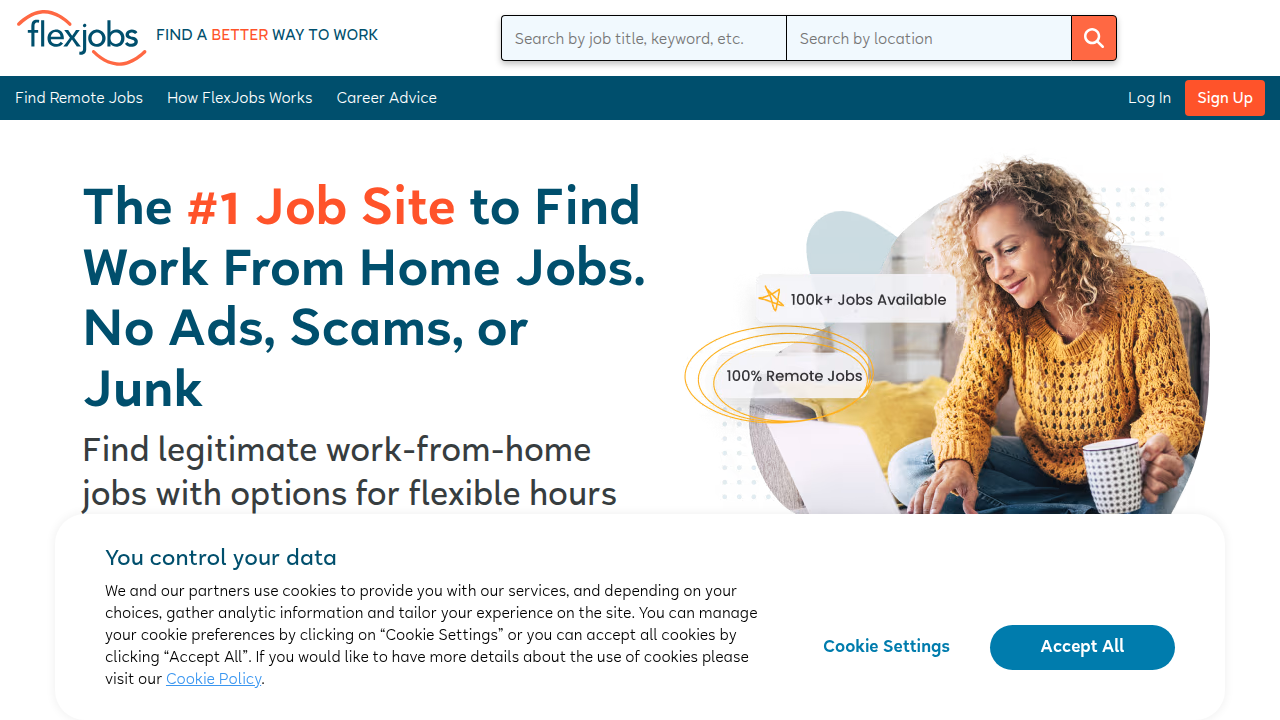
They are a paid service, but for serious seekers, the peace of mind is worth it. Their 2026 guide outlines common scams to watch for.
- Major Job Sites (Used Wisely): Indeed, LinkedIn, and ZipRecruiter have millions of remote jobs. The key is using their filters. Search for "Remote in Houston, TX" or "Hybrid remote in Houston." Always look for the company name attached to the post.
- Company Career Pages: This is the gold standard. If you know of Houston-based companies that offer remote work (like many in tech, energy, or healthcare), go directly to the "Careers" section on their official website. You cut out the middleman and the risk.
- Local Houston Job Boards: Websites focused on the Houston job market sometimes feature remote-friendly local employers. This can be a great way to find part time work from home jobs Texas with a company that has a physical presence in the city.
For a deep dive on using one of the biggest platforms effectively, our guide on finding remote IT support jobs on Indeed offers a step-by-step filter strategy that works for many fields.
Do Your Homework: The Company Check
You found a promising job posted by "ABC Houston Tech." Before you even update your resume, you need to verify they are real. This takes ten minutes and saves you heartache.
- Google the Company Name + "Houston". Do they have a real address? Is it a registered business in Texas? Look beyond the career page. Find news articles, client lists, or LinkedIn profiles of actual employees.
- Check Their Digital Footprint. A legitimate company will have a professional website, not just a single landing page. Their LinkedIn company page should have multiple employees, regular updates, and a history.
- Read Reviews. Check Glassdoor and Indeed company reviews. Do employees talk about working there? Are there consistent complaints about not getting paid? That is a massive red flag.
- Verify the Contact. Is the email address from a generic domain (@gmail.com, @yahoo.com) or from the company’s domain (@abchoustontech.com)? Scammers rarely have official company emails.
Spot the Scams: Red Flags for Texas Job Seekers
Scammers are good. But they always make mistakes. If you see these warning signs, run.
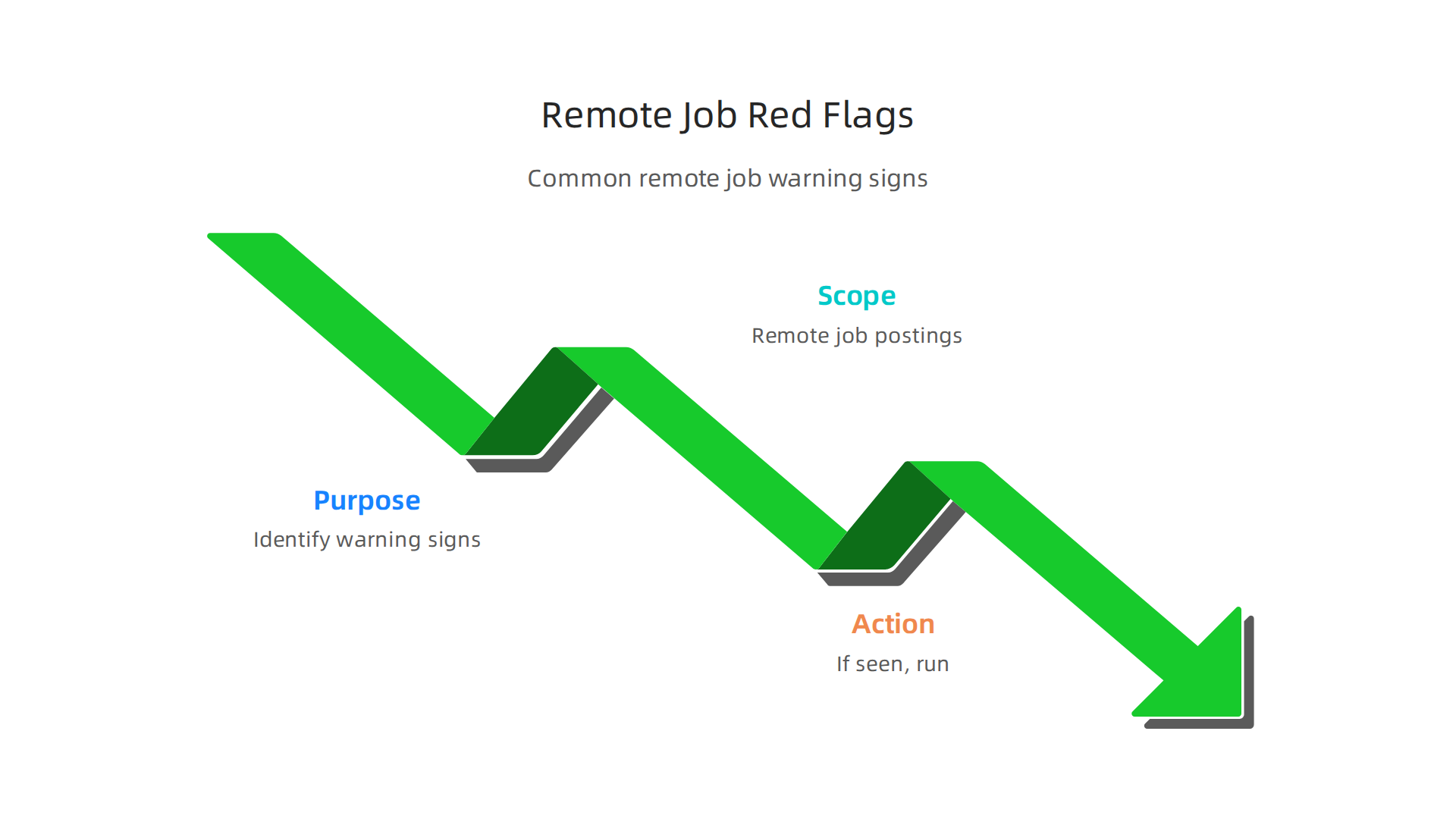
- The Too-Easy Interview: You are offered the job after a single text message or a chat interview on WhatsApp or Telegram. Real companies have a process.
- Requests for Money: You are asked to pay for "training," "starter kits," "software licenses," or background checks upfront. This is a classic scam tactic. Legitimate employers cover these costs.
- Vague Job Descriptions: The posting is full of fluff like "Be your own boss!" and "Unlimited income!" but says nothing about specific daily tasks, required skills, or who you would report to.
- Overpayment Schemes: You receive a check to buy "home office equipment" and are told to send the leftover money back. The check is fake, and you are on the hook for the full amount.
- Pressure to Act Fast: They create urgency. "This offer expires in 24 hours!" Real hiring managers do not do this.
Staying informed is your best protection. You can see how these scams play out in real life by watching this 2026 consumer report on the rise of remote job scams.
Finding a great work from home job in Houston is totally possible. It just requires a mix of smart searching and healthy skepticism. Protect your time, your personal information, and your hopes by vetting every opportunity. The right role is out there. Make sure it is real before you take the next step.
Optimizing Your Application for Remote Roles
You found a real opportunity. The company checks out. Now comes the most important part. Getting your application noticed and chosen from a sea of other candidates. Applying for work from home jobs is different. You need to prove you can thrive outside a traditional office.
Think of it this way. You are not just applying for a job. You are applying for a remote job. Your resume and cover letter must scream, "I am built for this." Let us break down how to make that happen.
Tailor Your Resume to Scream "Remote-Ready"
Your resume is your first impression. For remote jobs, you must highlight a specific set of skills. Employers are not just looking at your job duties. They are looking for proof you can work independently.
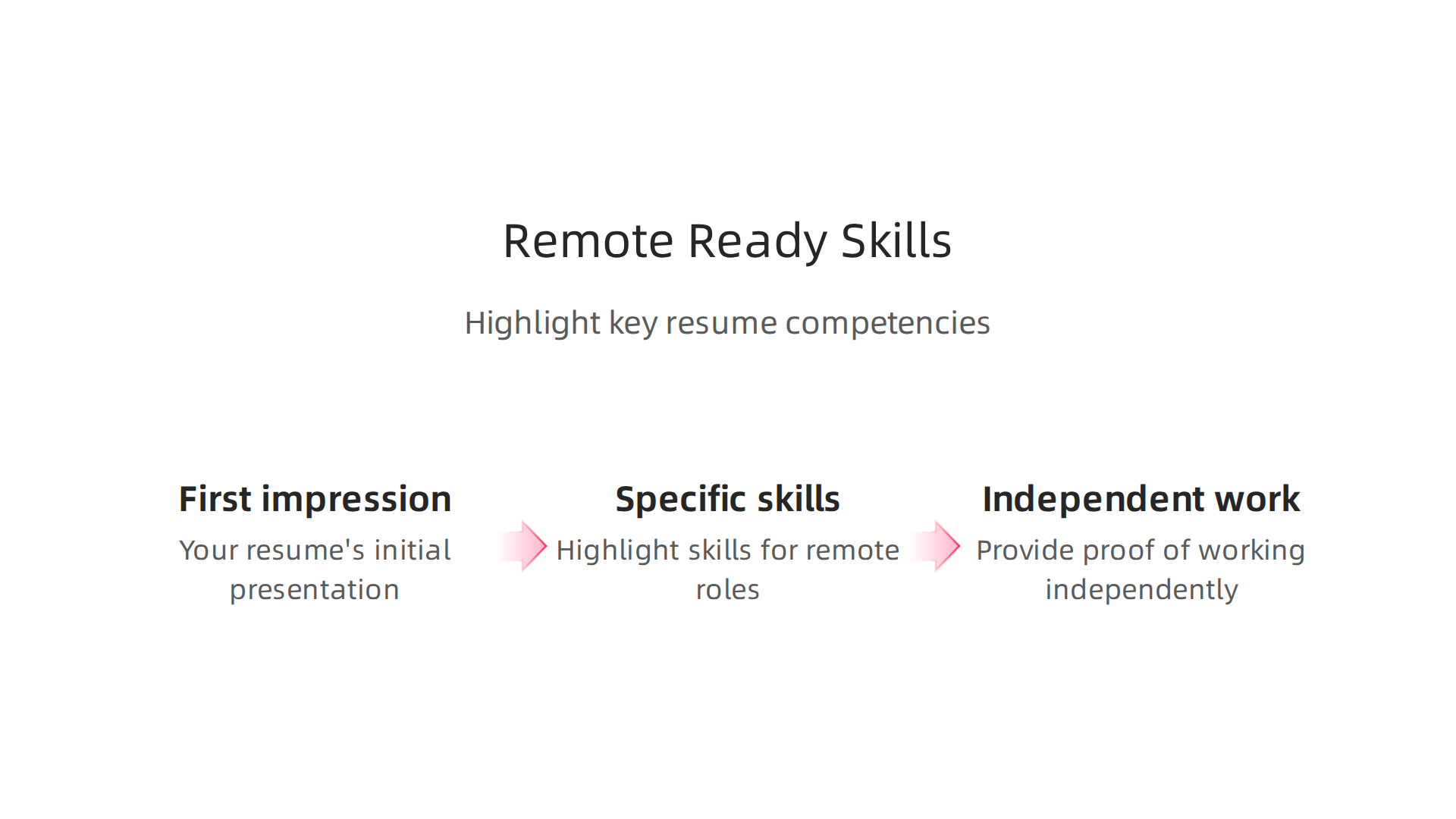
Focus on these remote-ready skills:
- Communication: This is the number one skill. Talk about written updates, clear email communication, and leading video meetings. Use phrases like "documented processes" or "authored project summaries."
- Self-Management: Show you can work without constant oversight. Use action words like "independently managed," "self-directed," or "took initiative on." Mention any project you owned from start to finish.
- Time Management & Accountability: Prove you hit deadlines. Include metrics. For example, "Consistently delivered weekly reports ahead of schedule" or "Maintained a 95% on-time project completion rate."
- Tech & Tool Proficiency: List the software you know. This includes collaboration tools (like Slack, Microsoft Teams, Asana), video conferencing apps (Zoom, Google Meet), and any industry-specific platforms.
Even if you have not had an official remote job, you have remote experience. Did you collaborate with a team in another city? That counts. Did you manage your own schedule on a project? Highlight it. A recent 2026 report lists self-management and strong written communication as the top skills remote employers actually look for.
Speak the Language of the ATS
Most companies use an Applicant Tracking System (ATS). It is a robot that scans your resume before a human ever sees it. Your goal is to make friends with the robot.
How to optimize for the ATS:
- Use the Right Keywords: Look at the job description. If it says "remote collaboration," use "remote collaboration" on your resume. If it asks for "asynchronous communication," find a way to include that phrase. Naturally sprinkle in terms like "work from home," "virtual team," and "distributed work."
- Keep the Format Simple: Avoid fancy graphics, columns, or unusual fonts. Use standard headings like "Work Experience," "Skills," and "Education." A clean, text-based format is easiest for the ATS to read.
- Match Job Titles: If the job is for a "Remote Customer Support Specialist," and you’ve been a "Client Service Associate," consider tweaking your title to match. You can write it as "Client Service Associate (Remote Customer Support)."
This strategy works on any big job platform. For a detailed walkthrough on applying it to one of the largest sites, our guide on finding remote IT support jobs on Indeed shows you exactly how to align your resume with search filters and job postings.
Write a Cover Letter That Addresses the "Remote" Question Head-On
Your cover letter is your chance to connect the dots. Do not just repeat your resume. Explain why you are a perfect fit for a remote role in Texas.
Structure a compelling remote cover letter:
- First Paragraph: Immediately state your interest in the remote position. Mention the company name and the specific role.
- Second Paragraph (The Remote Pitch): This is the most important part. Directly address your remote work suitability. Say something like: "In my previous role, I successfully managed projects remotely by implementing daily check-ins via Slack and using Asana to track all deliverables. I am highly proficient in maintaining productivity and clear communication in a virtual environment."
- Third Paragraph (Connect Your Skills): Briefly link one or two of your key achievements to how they would benefit the company in a remote setting.
- Closing: Reiterate your enthusiasm for the remote opportunity and thank them for their consideration.
By tackling the "remote question" directly, you show foresight and understanding. You tell the hiring manager you have already thought about the challenges and are prepared to excel. According to industry experts, asynchronous communication and self-management are among the top remote work skills employers want in 2026.
Your application is your story. Make sure it tells the story of a capable, independent, and communicative professional who does not need an office to deliver great results.
Navigating Taxes, Legalities, and Setup for Texas Residents
You got the job. Congratulations. Now, before you set up your new home office in Houston, there are some important behind-the-scenes details to handle. Understanding taxes and your legal rights is a key part of being a professional remote worker. Let us walk through what you need to know as a Texas resident.
Understanding Your Tax Situation
Here is the big thing to know. If you are a W-2 employee (meaning you get a regular paycheck with taxes taken out), your tax situation for work from home jobs is pretty straightforward at the federal level.
- You pay income tax where you live. If you live and work from Houston, Texas, you pay federal income tax and Texas state income tax (which is zero, as Texas has no state income tax). Your employer should withhold the correct amounts for you.
- You usually cannot deduct home office expenses. This is a common misconception. Due to tax law changes, employees who work from home can no longer claim tax deductions for their home office costs on their federal return. As noted by tax experts, you can only claim these expenses if you are self-employed. If you have costs, your best path is to ask your employer for reimbursement.
The main complication comes if your company is based in another state. Some states have "convenience of the employer" rules that could impact you, but Texas is not one of them. As a fully remote employee in Texas, you are generally responsible for ensuring the correct amount of federal tax is withheld. Always double-check your first paycheck and W-4 form with your HR department.
The Reality of Home Office Deductions
Many people search for work from home jobs in Texas thinking they will get a tax break for their home office. For most employees, this is not true.
The home office deduction is complex, and the big news for most W-2 employees is that it is not allowed. The rules are designed for self-employed individuals and business owners. If you are an employee receiving a W-2, your employer’s responsibility is to provide you with the tools needed to do your job, or reimburse you for them. Do not plan on claiming your internet bill or a portion of your rent. Focus on understanding what your new company’s remote work policy says about equipment and expense reimbursements.
Key Legal Considerations for Your Remote Work Agreement
Your offer letter or remote work agreement is your rulebook. Do not just skim it. Here are a few things to look for that protect you:
- Work Hours and Tracking: The policy should clearly state your expected work hours and how your time will be tracked. Many Texas agencies require remote employees to work their normal hours from their home office and be available during core business hours.
- Equipment and Security: Who pays for your computer, monitor, and software? What are the cybersecurity rules for using your home network? Get this in writing.
- Workers’ Compensation and Liability: Understand what happens if you get injured while working at home. Your rights as a remote worker in Texas depend on your job and your location, so clarity here is crucial.
Taking the time to understand these areas turns you from just someone with a remote job into a informed professional. You set clear expectations from the start and avoid surprises at tax time.
Building a Remote Network and Avoiding Isolation in Houston
You have handled the taxes and paperwork for your work from home job in Houston, Texas. Now, a different kind of challenge might be creeping in. The quiet. The solitude. You are not alone in this feeling. In fact, research from 2025 shows that one in four remote employees feels lonelier than their office-based peers, and a large majority experience burnout.
The good news? Houston is a massive, vibrant city full of opportunities to connect. Building a community is not just good for your social life; it is essential for your long term success and happiness in remote jobs. Let us look at how you can build your remote network right here in H Town.
Connect Virtually with Local Professionals
Your colleagues might be scattered across the country, but your local industry is thriving. Start by looking for Houston based chapters of national professional associations or industry specific groups on LinkedIn and Facebook. Many host regular virtual coffee chats, webinars, and Q&A sessions.
For example, if you are in a technical field, joining groups for Houston based tech professionals can lead to virtual meetups where you discuss local industry trends. This is a low pressure way to build a professional circle that understands the local market, even if you all work for companies elsewhere. It is a smart strategy for anyone holding work from home jobs in Texas and wanting to stay plugged in.
Leverage Houston’s Coworking Spaces and Meetups
Sometimes, you just need to be around other people who are working. Houston has a fantastic selection of coworking spaces, from downtown hubs to neighborhood spots.

Places like The Cannon, Platform Houston, and various WeWork locations offer more than just a desk; they host networking events, workshops, and social happy hours.
This creates a perfect hybrid model. You can focus on your deep work in a professional setting a few days a week, then naturally connect with other remote workers, entrepreneurs, and freelancers over coffee. Websites like Meetup.com are also great for finding local groups for remote workers, digital nomads, or people in your specific field. Turning online connections into occasional in person meetups can drastically reduce feelings of isolation.
Protect Your Mental Wellbeing with Simple Habits
Building a network is proactive, but you also need daily habits to guard against loneliness. The science is clear. Prolonged isolation can impact your mental health and work performance. Here are a few practical tips:
- Schedule Your Lunch Break. And leave your home. Go for a walk in one of Houston’s many parks, like Memorial Park or Buffalo Bayou. The change of scenery and sunlight are instant mood boosters.
- Create Virtual Water Cooler Moments. Be the person who starts a casual video call with a coworker just to chat for 10 minutes, or actively participate in non work related channels on your company’s Slack or Teams.
- Set Digital Boundaries. When your workday ends, close your laptop and put it away. Having a physical separation helps your brain clock out and be present in your home life, which is crucial for preventing burnout.
- Explore Digital Tools for Support. If you are struggling, know that help is accessible. Many evidence based, digital mental health platforms offer guided programs specifically designed to manage stress and prevent burnout for remote workers. You can learn more about these approaches from recent systematic reviews on digital health interventions.
Building a life around your work from home job takes intention. By mixing virtual networking, local Houston spaces, and strong daily routines, you build a supportive community that keeps you engaged, motivated, and connected. For more targeted advice, explore our guide on finding specialized roles, like remote IT support jobs.
Career Growth and Advancement as a Remote Professional
You have built your community and protected your well being. Now, let us talk about moving up. A common fear with work from home jobs is becoming "out of sight, out of mind." But in 2026, remote career growth is absolutely possible with the right strategy. It is about being proactive with your visibility, skills, and goals.
Be Your Own Best Advocate for Promotions and Raises
Waiting for annual reviews is not enough in a remote setting. You must make your contributions visible. Schedule regular one on one video calls with your manager not just to get updates, but to share your wins. Quantify your results. Did a project you led save the company money? Did you streamline a process? Say it clearly.
When discussing a raise or promotion, connect your work directly to company goals. Research confirms that remote workers who actively manage their visibility and communicate their impact are more likely to advance. Do not assume your hard work speaks for itself across the digital divide. You have to be the narrator of your own career story.
Invest in Skills Houston Employers Value
One of the best ways to advance is to become more valuable. Houston’s key industries like energy, healthcare, and aerospace tech are increasingly digital. Online certifications and courses are the fuel for your remote career growth.
Platforms like Coursera, edX, and LinkedIn Learning offer courses in data analysis, project management, and digital marketing that are directly applicable to remote jobs in these sectors. Earning a relevant certification shows initiative and keeps your skills sharp. This is especially useful if you are looking for part time work from home jobs in Texas to pivot into a new field while you learn.
Build a Reputation Beyond Your Company
Your professional reputation should not be confined to your company’s Slack. Cultivate a strong LinkedIn profile that highlights your remote work expertise. Share insights about your industry or write short posts about lessons learned in your work from home job in Houston, Texas.
Engaging with local Houston professional groups online, as mentioned earlier, also builds your local network and reputation. This external profile makes you more resilient and opens doors to new opportunities, whether you seek advancement within your company or elsewhere. For a deeper dive into building expertise in a high demand remote field, explore our guide on remote IT support jobs.
Advancing in a remote role requires intention. By championing your achievements, continuously learning, and building a public professional brand, you take control of your growth. Your work from home job in Houston can be the foundation for a long, thriving, and progressive career.
Summary
This guide helps Houston-based job seekers find real work-from-home opportunities and avoid common pitfalls. It explains which Houston industries (energy, healthcare, tech, aerospace) are hiring remotely, and clarifies the difference between location-dependent and truly location-independent roles. You will learn the technical and remote-specific soft skills employers want, where to search safely, and practical vetting steps to spot scams. The article also covers how to tailor resumes and cover letters for ATS and remote hiring managers, plus tax, legal, and equipment considerations for Texas residents. Finally, it offers strategies to build local networks, protect mental health, and advance your career while working remotely in Houston.
By
April 14, 2026