

Introduction: Why Decoding the Hiring Manager Mindset Is Your Biggest Advantage
Let’s be real for a second. You have probably sent out dozens of remote job applications. Maybe even hundreds. You customized your resume. You wrote a nice cover letter. And then… nothing. Silence.

Here is the thing most job seekers miss. When you search for remote jobs on platforms like Indeed or LinkedIn, you are not just competing with people in your city.

You are competing with candidates from across the country and sometimes the whole world. That changes everything.
Hiring managers today have a much different set of priorities than they did five years ago. In 2026, the best remote hiring practices focus less on where you went to school and more on how you actually work when nobody is watching. According to recent research, what remote hiring managers look for in 2026 includes self-management, async communication skills, and the ability to stay focused without direct supervision.

The hiring manager reading your application is asking questions you cannot hear. Can this person meet deadlines without someone standing over their shoulder? Do they know how to communicate clearly in writing? Will they disappear during work hours?
This article breaks down exactly what goes through a hiring manager’s mind when they review remote job applications. We will cover the specific traits they value, the red flags they look for, and how you can tailor every part of your application to stand out. If you want to land legitimate remote jobs from home in 2026, understanding this mindset is your biggest advantage.
The Remote Hiring Manager’s Mindset: What Truly Matters
Now you know the hiring manager is asking different questions than they did a few years ago. But what exactly is going through their head when they look at your application for a remote role? Let’s break down the mindset that drives their decisions in 2026.
First, the old rules are gone. Hiring managers no longer care how many hours you sat at a desk. They care about what you actually deliver. A 2026 survey by ResumeTemplates.com found that hiring managers now rank software proficiency, data analysis, and cybersecurity awareness as top hard skills. But soft skills like self-direction and clear communication are just as important. At the core, they are screening for ownership. Do you take responsibility for your work without someone checking on you every hour?

According to InterviewPal’s analysis of what recruiters screen for in 2026, hiring managers are actively looking for candidates who show ownership of their tasks and projects.
That means your application needs to prove you can work independently. Talk about times you managed a project from start to finish with little supervision. Show that you set your own deadlines and met them. Mention any tools you use to stay organized, like project management apps or time trackers. If you have a routine that keeps you focused, share that too. For more ideas on what legitimate employers look for, check out this guide to finding legitimate remote jobs from home in 2026.
Second, written communication is a top priority. In a remote team, most conversations happen through chat, email, or shared documents. A hiring manager will study how you write in your resume, cover letter, and any follow-up messages. They want clarity, brevity, and a professional tone. They also look for signs that you can collaborate without needing constant meetings. Can you explain a problem clearly in writing? Can you ask for help without interrupting someone’s flow? These skills set you apart. A report from CareerGroupCompanies shows that candidates in 2026 value transparency and trust in the hiring process. Hiring managers feel the same way. They want to see that you can build trust through your words and actions, even before you get the job.
Finally, remember that the hiring manager is also using AI tools to screen resumes. Many companies now use software to filter applications before a human ever sees them. Your resume needs to include the right keywords and clear formatting. But the human part still matters a lot. Once you get past the AI, the hiring manager reads your application with these questions: Is this person reliable? Can they communicate well? Do they have the skills to get the job done without handholding? For more tips on standing out in your search, read our step-by-step guide to finding remote IT support jobs on Indeed.
Shift your mindset to match theirs. Focus on outcomes, not hours. Highlight your self-management tools. Prove you can write clearly and collaborate proactively. That is what truly matters to a remote hiring manager in 2026.
How Hiring Managers Screen Resumes and Cover Letters for Remote Roles
Now that you understand the hiring manager’s mindset, the real question is: can you show it on paper? Your resume and cover letter are your first chance to prove you get remote work. And in 2026, both humans and machines are reading them.
Use the Right Remote Keywords
First, the machines. Most companies now use Applicant Tracking Systems (ATS) to filter applications before a person ever sees them. These systems scan for specific terms. If your resume lacks them, you might never get a human review.
So what keywords matter? Think about phrases that describe how remote teams actually operate. Terms like "asynchronous communication," "self-starter," "distributed teams," and "virtual collaboration" signal to both the ATS and the hiring manager that you understand remote work. According to research from Resumly.ai and RemoteWorkFinder.org, ATS algorithms prioritize these remote-specific keywords.
Here is the trick. Do not just dump these words in a skills section. Use them in context. For example, instead of listing "communication" as a skill, write: "Led a distributed team of five using asynchronous communication across Slack and Notion to deliver projects ahead of schedule." That proves you know how to use the tools and get results.
For a full list of keywords that beat ATS systems, check out the 100 top resume keywords for 2026 from Final Round AI. And if you are looking for legitimate roles right now, our guide to finding legitimate remote jobs from home in 2026 can point you to safe listings.
Show Proficiency With Remote Tools
Beyond keywords, the hiring manager wants to see that you have used the tools remote teams depend on every day. Slack, Zoom, Notion, Trello, Asana, Google Workspace, and Microsoft Teams should appear somewhere on your resume if you have used them.

The ResumeTemplates.com survey from late 2025 confirms that software proficiency is the top hard skill hiring managers look for in 2026.
But listing tools is not enough. Show what you achieved with them. Did you use Zoom to run weekly standups across three time zones? Did you manage a project in Asana that cut delivery time by 20 percent? Include those numbers. They prove you can work without handholding.
Tailor Your Cover Letter to Remote Culture
Now comes the cover letter. This is where many job seekers miss the mark. They copy a generic letter and change the company name. That will not work for a remote role in 2026.
The hiring manager reads your cover letter looking for signs that you understand their remote culture. According to an analysis from CareerGroupCompanies, candidates in 2026 want transparency and trust. Hiring managers want the same. Your cover letter is a place to build that trust.
Mention the company’s specific remote practices. For example, if their website talks about async communication and flexible hours, reference that. Say something like, "I appreciate that your team values asynchronous workflows because I thrive when I can focus deeply without constant interruptions." Then give a quick example of how you managed your schedule across time zones in a past role.
This shows you have done your homework and you understand the unique challenges of remote work. It also tells the hiring manager that you will not need extra handholding.
Need more help? The Indeed career advice guide on cover letter keywords offers solid tips on tailoring your letter to each job description. And if you are searching for roles on platforms like LinkedIn or Indeed, our step-by-step guide to remote IT support jobs on Indeed can help you find quality openings faster.
The bottom line: your resume and cover letter must speak the language of remote work. Use the right keywords. Show tool proficiency with real outcomes. And prove you understand the company’s culture before you even get the interview. That is how you get past the screen and into the conversation.
Key Competencies Hiring Managers Prioritize in Remote Candidates
Passing the screen gets your foot in the door. But the real test starts when you sit down (virtually) with the hiring manager. They have seen your keywords and your tool list. Now they want to know: do you actually have the competencies to thrive in a remote team?
In 2026, hiring managers look beyond technical skills. They want proof of three specific things. Let us break them down.
Digital Collaboration and Written Communication
First up is digital collaboration. A ResumeTemplates.com survey from late 2025 confirms that software proficiency is the top hard skill hiring managers look for in 2026. But here is the thing. They do not just want to see Slack or Zoom on your resume. They want to know how you use them to get results.
Can you write a clear project update that needs no follow up questions? Can you resolve a disagreement over chat without making things worse? Hiring managers often use behavioral questions to gauge conflict resolution in text-based interactions. They want to know you can handle the nuance of written communication on your own.
If you are not sure what tools are standard these days, browsing remote jobs on Indeed can give you a realistic picture of what companies expect.
Self-Direction and a Remote-First Mindset
Next is what many call a "remote-first" mindset. According to a 2026 screening guide from InterviewPal, hiring managers are screening for ownership. They want evidence that you can structure your own day and drive projects without anyone standing over your shoulder.
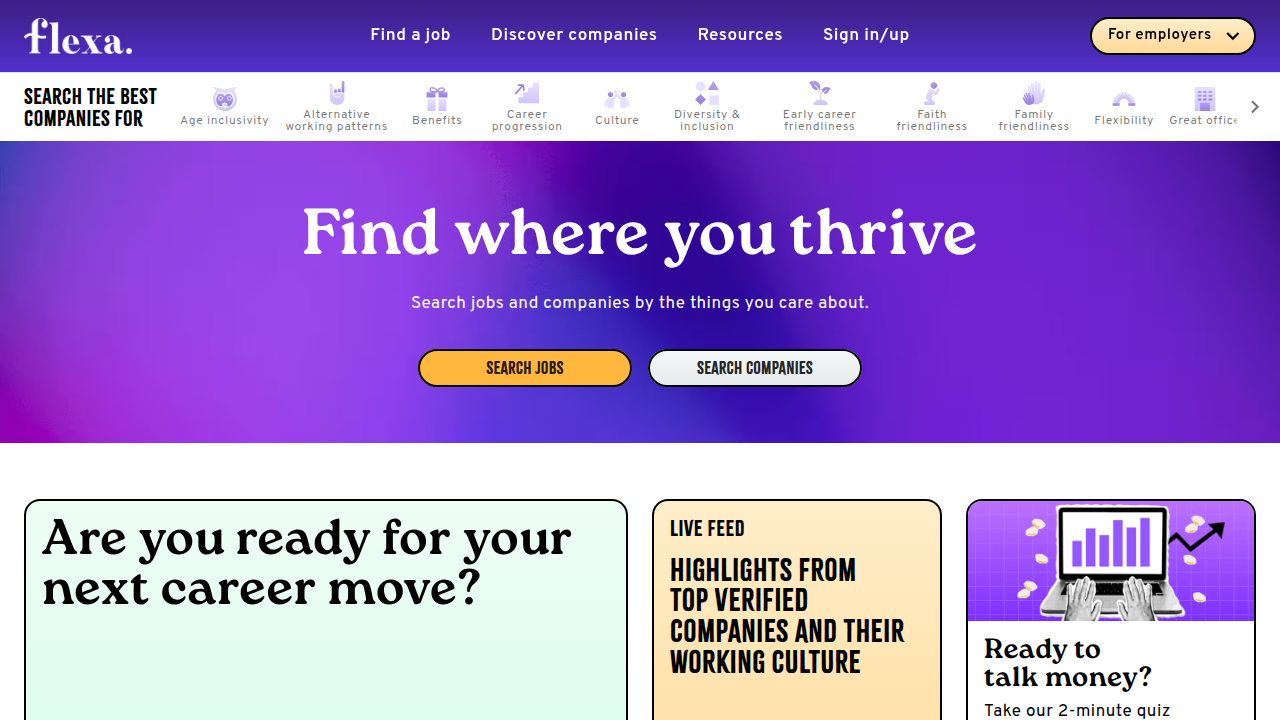
During an interview, you might get a question like: "Tell me about a time you had to manage a project with no direct oversight." This is a common one. Platforms like Flexa and Workable have great lists of competency based questions being asked in 2026.
Your answer should focus on how you prioritize, communicate progress, and deliver results on time.
For more tips on finding roles that truly value independence, our guide to landing remote jobs with a smarter search strategy can help you target the right companies.
For more tips on finding roles that truly value independence, our guide to landing remote jobs on Indeed with a smarter search strategy can help you target the right companies.
Asynchronous Communication and Trust
Finally, hiring managers want to see that you can build trust without being in the same room. A report from CareerGroupCompanies notes that candidates in 2026 want transparency and flexibility that signals trust. Hiring managers feel the same way.
They are looking for people who can work asynchronously and still make others feel supported. This means responding thoughtfully, over communicating when needed, and assuming good intent. If you can show this in your interview answers, you will stand out from the crowd.
If you are ready to apply this knowledge and find a company that values these competencies, our guide to finding legitimate remote jobs from home in 2026 is a great place to start your search.
These three competencies digital collaboration, self-direction, and asynchronous trust are the foundation of a successful remote career.

Now that you know what the hiring manager is really looking for, you can prepare your stories and your search strategy to match.
The Remote Interview: What Hiring Managers Evaluate Beyond Skills
You have passed the screen. Your resume showed the right tools. The hiring manager liked your competencies. But now comes the real test. The interview itself.
Here is the thing about remote interviews in 2026. Hiring managers are not just listening to your answers. They are watching how you show up. They are looking at your background, your lighting, and your ability to think on your feet. Let us break down what they are really evaluating.
Video Call Etiquette and Clear Thinking Under Pressure
First impressions happen fast. Within seconds of joining that video call, the hiring manager is taking mental notes. Is your background professional? Can they hear you clearly? Are you looking at the camera, not your second monitor?

These small details matter a lot. A 2026 guide from Truffle explains that many companies now use structured interview rubrics to track how candidates handle the video environment itself. They want to see if you can stay composed when the clock is ticking.
If your internet cuts out or your kid walks in, how do you react? Hiring managers observe your calmness and your ability to communicate clearly under pressure. If you fumble or panic, they notice.
Asynchronous Problem-Solving Through Take-Home Tasks
In 2026, more hiring managers are testing candidates with take-home assignments or scenario questions sent by email. Why? Because this mirrors how remote work actually happens.
You are not always in a live meeting. Sometimes you need to solve a problem on your own and write up your answer. According to Indeed’s guide on competency-based interview questions, employers want to see how you think when no one is watching over your shoulder.
So when you get a task like "Draft a plan for improving our onboarding process," they are not just judging the final document. They are checking your ability to structure your thoughts, communicate clearly, and follow through without hand holding.
For more examples of what companies ask, the Flexa team has a great list of the top competency questions being asked in 2026 that you can practice with.
Cultural Fit: Communication Rhythm and Feedback Receptivity
Finally, hiring managers want to know if you will fit into their remote culture. This is not about whether you like the same sports team. It is about how you handle communication.
Do you check Slack three times a day or thirty times a day? Do you ask for feedback often, or do you wait for annual reviews? Do you follow up on tasks without being reminded?
Workable notes that competency-based interview questions are designed to draw out real-life examples of how you handle these situations. A good answer shows that you can adapt your communication style to match the team’s rhythm.
If you can show that you are flexible, receptive to feedback, and able to take initiative on your own, you will stand out.
Now that you know what the hiring manager is really looking for in the interview, you can prepare your stories and your setup accordingly. For a complete strategy on finding roles that will appreciate these skills, our guide to landing remote jobs with a smarter search strategy is a great next step.
Red Flags That Cause Hiring Managers to Reject Remote Applicants
Now that you know what hiring managers are looking for, it helps to also know what they are trying to avoid. These are the small and big mistakes that can get your application thrown in the trash pile.
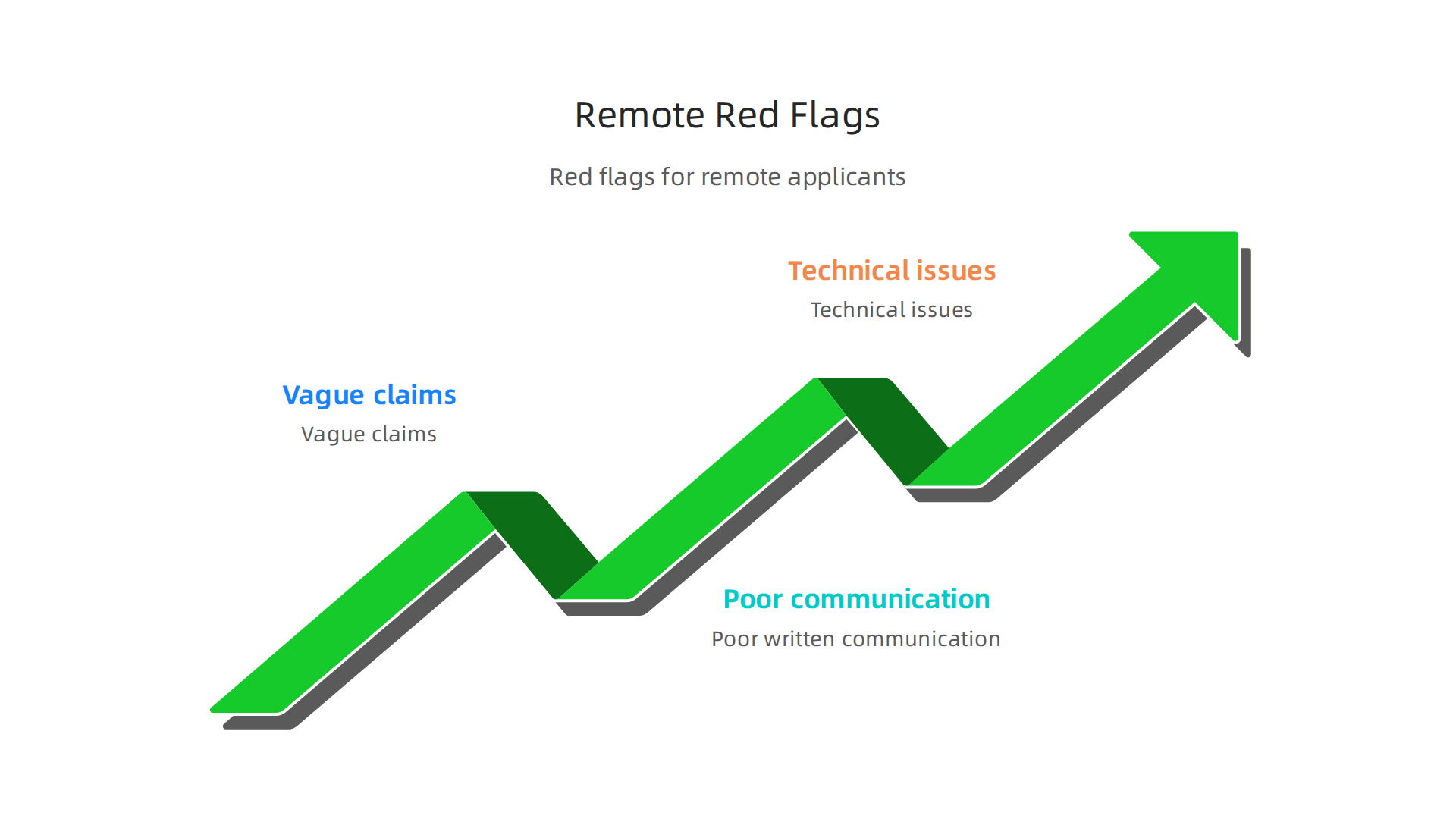
Avoiding them could be the difference between an offer and a rejection.
Vague Claims of Remote Experience
Hiring managers have seen it all. If you say "I worked remotely before" but cannot name the tools you used or the results you delivered, that is a major warning sign. According to the Zety guide on candidate red flags, vague job descriptions and lack of quantifiable achievements are top reasons for rejection. Remote roles are built on accountability. You need to show exactly how you collaborated and what outcomes you hit. Instead of saying "I managed a team," say "I led a team of 5 using Slack and Asana, and we cut project delivery time by 20%." Specifics build trust.
Poor Written Communication in Cover Letters and Follow-Ups
Your written communication is on display from the first email. If your cover letter is full of typos, generic phrases, or irrelevant details, hiring managers assume you will carry that carelessness into the job. Indeed’s guide on cover letter keywords explains how important it is to tailor your words to the job description. When you follow up after an interview, your message should be clear, professional, and proofread. Sloppy writing is a fast way to show you do not respect their time. It signals that you may struggle with the written communication that remote work depends on.
Showing Up Late or Having Constant Technical Issues
In a remote interview, punctuality still matters. Logging in a minute or two late tells the hiring manager you are not prepared. Worse, if your camera or microphone keeps failing and you have no backup plan, they worry about how you will handle real work problems. The We Work Remotely guide on remote interview red flags points out that a disorganized setup makes candidates seem unreliable. A good practice is to test your equipment ahead of time and have a phone or second device ready. If something does go wrong, stay calm and say, "Let me switch devices." That kind of composure shows you can handle remote work hiccups.
These red flags are easy to avoid with a little planning. If you want a step-by-step plan for finding genuine remote opportunities that match your skills, check out our guide on how to find Indeed remote jobs in 2026 and avoid scams. It will help you search smarter and avoid false starts.
Building Long-Term Relationships with Hiring Managers in Remote Networks
Here is the thing. You can do everything right in your application. You avoid every red flag we talked about. But you still end up as just another name in a pile. How do you become someone the hiring manager remembers?
The answer is simple. You start building a real connection before you even apply. And you keep building it long after.
Engage with Thoughtful Insights on LinkedIn
Most people send a connection request to a hiring manager with the default message. Or worse, they paste a generic "I am interested in opportunities" note. That does not work.
Instead, take a few minutes to read what the hiring manager posts. Did they share an article about remote team culture? Leave a meaningful comment.

Share your own experience. For example, say something like "Great point about asynchronous communication. At my last remote role, we used Loom to reduce meeting time by 30%." This shows you understand remote jobs and you are a person who adds value.
When you engage consistently, the hiring manager will recognize your name when you apply. That alone can get your resume a closer look. You do not need to be pushy. Just be useful.
Join Remote Work Communities and Share Your Expertise
Another powerful way to get on a hiring manager’s radar is to participate in the same online spaces they hang out in. Think Slack groups, Discord servers, LinkedIn groups, or even subreddits focused on your field. If you are looking for Indeed job search opportunities, you can still build a name in these communities separately.
Share what you know. Answer questions. Post helpful resources. Over time, you become a known entity. When a hiring manager sees you applying later, they already trust you. According to a guide on remote interview red flags from We Work Remotely, a disorganized or unknown candidate raises doubts. But a known contributor feels safe.
Follow Up After Rejection the Right Way
Rejection stings. But it does not have to be the end of the road. If you get turned down for a role, wait a day or two. Then send a short, professional note thanking the hiring manager for their time. Ask if they would be open to sharing one thing you could improve for future applications.
That small step does two things. First, it shows you have a growth mindset. Second, it keeps the door open. That same hiring manager may remember your professionalism when a new role opens up. Some of the best remote job offers come from connections you built after a rejection.
If you want a complete system for finding real opportunities and standing out from the crowd, check out our guide on finding legitimate remote jobs from home in 2026. It walks you through every step, from search to follow up.
You do not need to be the loudest person in the room. You just need to be the most consistent and genuine. That is how you turn a hiring manager into a long-term professional ally.
Summary
This article explains what hiring managers are really thinking when they evaluate remote job applicants in 2026 and shows how to match that mindset across your resume, cover letter, and interviews. It covers the shift from hours to ownership, why self-direction and asynchronous written communication matter, and how ATS and humans screen for the right keywords and tool experience. You’ll learn concrete ways to demonstrate ownership—using examples, metrics, and remote-tool outcomes—how to tailor your cover letter to company remote practices, and what to expect in video and take‑home assessments. The piece also lists common red flags that lead to rejections and offers tactics for building long-term connections with hiring managers so you aren’t just another name in the pile. After reading, you’ll know what to show, what to avoid, and how to present yourself as a reliable, communicative remote candidate who requires little hand‑holding.